

Heart disease can develop silently for years before obvious symptoms such as chest pain or a heart attack appear. With cardiovascular disease increasingly affecting younger people in India, doctors are placing greater emphasis on identifying risks early rather than waiting for a medical emergency.
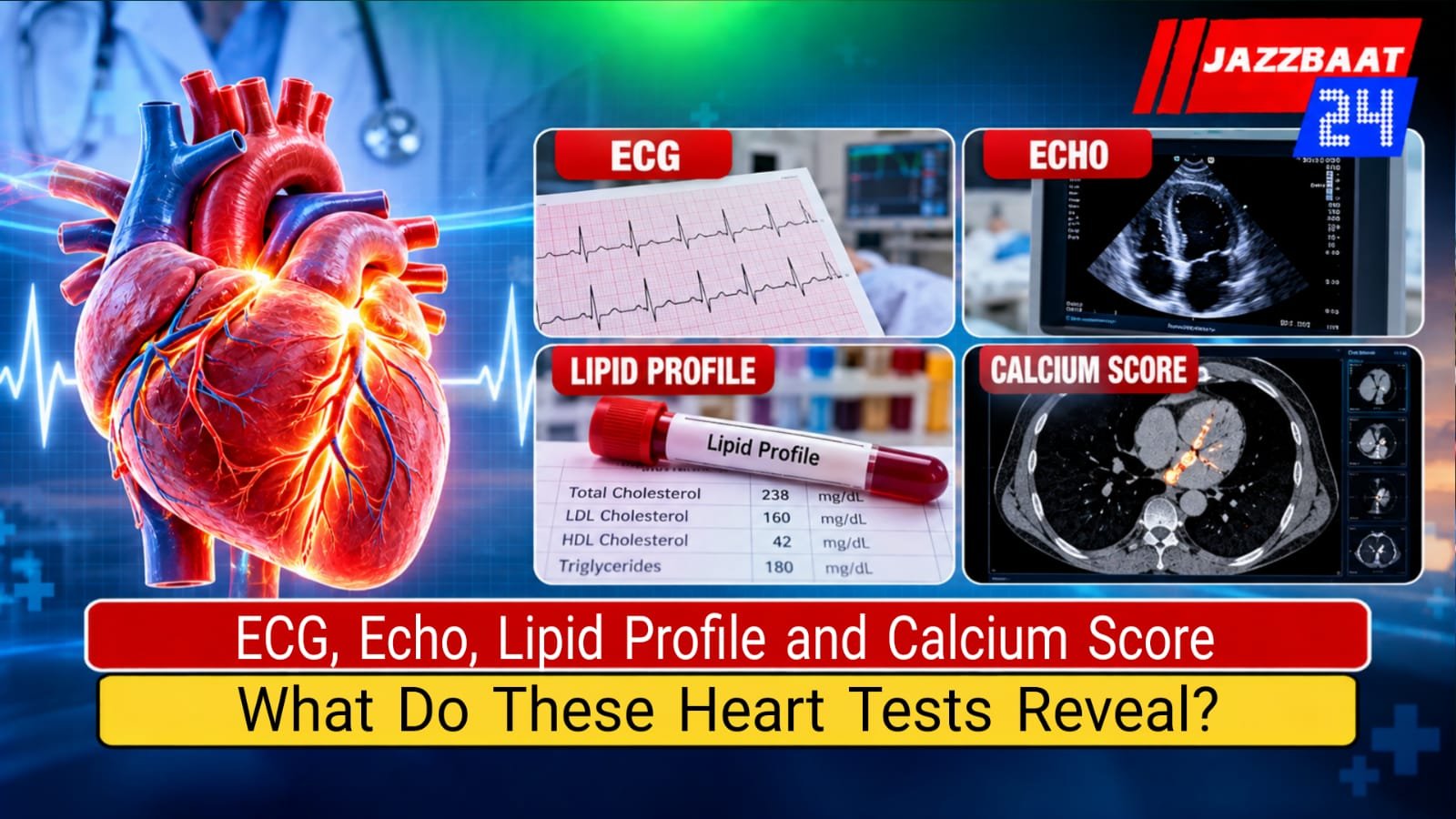
Dr Vijay D’Silva, Medical Director at White Lotus International Hospital and Clinical Advisor and Mentor at Heartnet India, says the electrocardiogram (ECG) remains one of the simplest and most accessible tools available for assessing the heart. According to him, despite its usefulness, ECG screening is still underused as part of preventive healthcare.
Why waiting for symptoms can be risky
Several heart-related problems may exist without producing noticeable symptoms. These can include abnormal heart rhythms, silent damage to the heart muscle and disturbances in the heart’s electrical system.
D’Silva explains that some people consider themselves completely healthy until they suddenly require hospital treatment for a cardiac condition. When a problem is detected later, treatment may become more complicated, expensive and emotionally difficult than it might have been with earlier identification.
An ECG cannot detect every type of heart disease, but it can provide important clues that may lead doctors to recommend further tests or evaluation.
Who may need earlier checks?
Age alone should not determine when someone considers a cardiac evaluation. People with certain risk factors may benefit from discussing screening with a doctor.
These include individuals with high blood pressure or diabetes, a family history of heart disease at a young age, smokers, people with obesity or abnormal cholesterol levels, and those experiencing prolonged work-related stress. Unexplained tiredness or breathlessness may also warrant medical evaluation.
Whether an ECG is appropriate depends on a person's overall risk profile and should be decided with a healthcare professional.
ECG screening is becoming more accessible
Advances in technology are also making heart screening easier outside major hospitals. Portable ECG machines and digital systems can allow readings to be taken at primary care centres or neighbourhood clinics and shared with specialists when necessary.
This can be particularly useful in areas where access to cardiologists may be limited and patients otherwise have to wait longer for specialist assessment.
Doctors say the broader goal should be to make appropriate preventive heart checks part of regular healthcare rather than something considered only during an emergency. For people with cardiovascular risk factors, regular medical follow-up and management of blood pressure, blood sugar, cholesterol, smoking and physical activity remain important.
An ECG takes only a few minutes, but when used appropriately as part of a broader clinical assessment, it can help identify certain cardiac abnormalities earlier.
Disclaimer: This article is for informational purposes only and does not replace professional medical advice. Consult a qualified healthcare professional for personalised guidance about heart health or ECG screening.



Reader Comments 0