
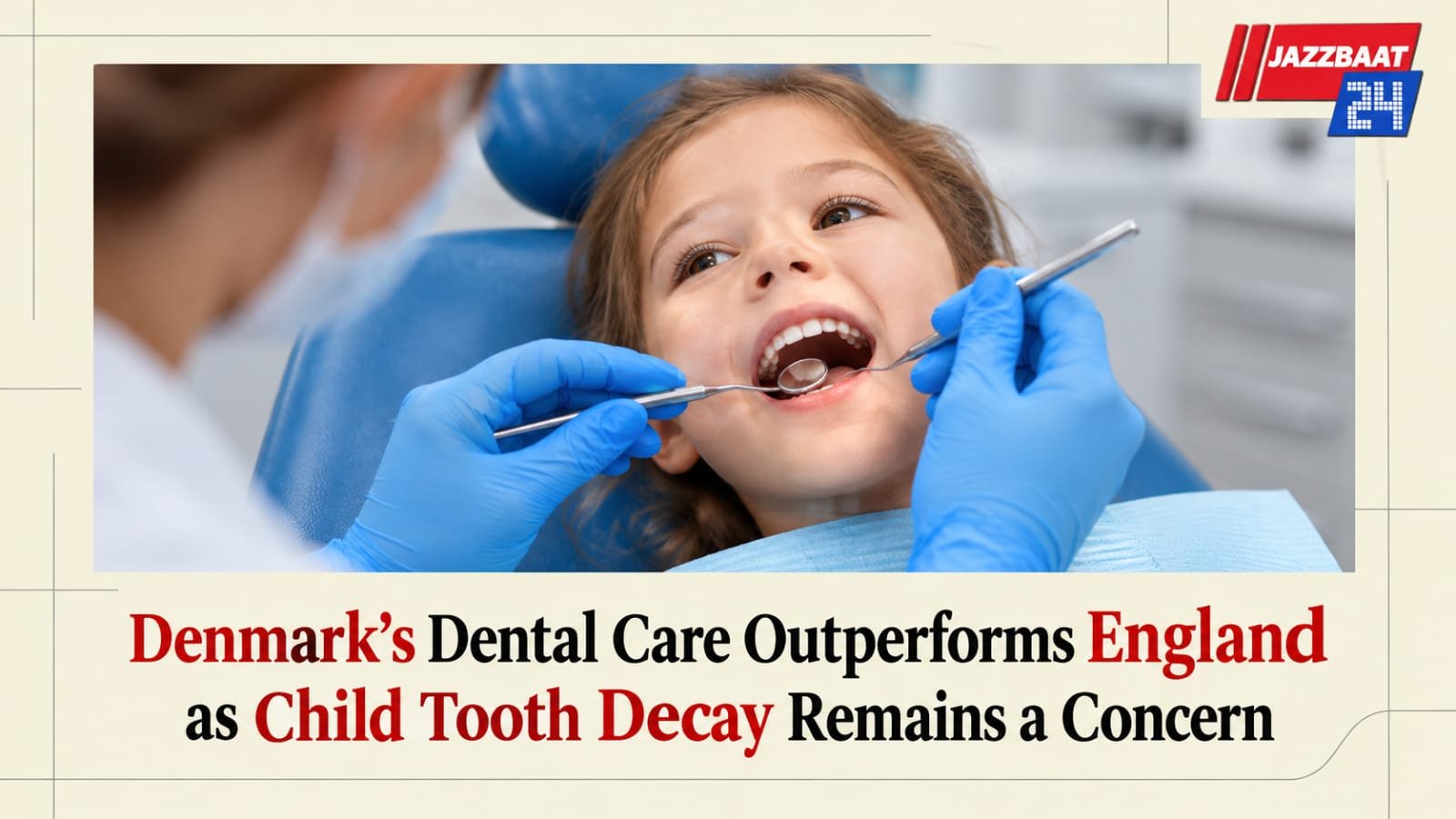
October 12: A comparison of dental care systems in England and Denmark has highlighted how access to preventive treatment can make a significant difference to oral health, particularly among children and older adults.
Although both countries have well-developed healthcare systems, their approaches to dental care differ considerably. Denmark places greater emphasis on early intervention and regular check-ups, while England continues to face challenges with NHS dental access and inequalities in oral health.
According to the report, 27% of five-year-old children in England have tooth decay, with children living in the most deprived areas facing a substantially higher risk than those from wealthier backgrounds. Tooth decay is also among the leading reasons for hospital admissions involving young children in England.
Denmark follows a different approach, providing free, municipally organised dental care for children. Regular examinations, fluoride treatments and school-based oral health support help identify and address dental problems before they become serious.
Adult dental care reveals another gap
The differences continue into adulthood. In Denmark, routine dental visits are common, particularly among older people, helping prevent gum disease, tooth loss and complications that may require extensive treatment.
In England, access to NHS dentistry remains uneven. NHS data cited in the report indicates that around 65% of adults visited an NHS dentist within a two-year period. The figure does not include all private dental visits, but it highlights the challenges many people face in obtaining NHS treatment.
Financial barriers and difficulties securing appointments can leave disadvantaged groups particularly vulnerable. People who cannot afford private treatment or struggle to find an NHS dentist may delay care until their conditions worsen.
Prevention remains the key difference
The comparison also highlights how healthcare funding and incentives can influence treatment. Denmark combines publicly funded dental services for children with subsidised care for adults, encouraging regular visits and preventive treatment.
England's NHS dental system has faced sustained pressure, with concerns about appointment availability and practices unable to accept new NHS patients. Although the NHS Dental Recovery Plan was introduced to improve access, significant challenges remain.
Fluoride is another area where the countries differ. Around 10% of people in England receive fluoridated water, which can help reduce tooth decay. Denmark does not fluoridate its water supply, instead relying on fluoride toothpaste, professional applications and regular preventive care.
The report argues that the effectiveness of prevention depends not simply on individual treatments but on whether people can access them consistently.
A lesson for healthcare systems
Dental disease is influenced by income, living conditions and access to healthcare, as well as individual habits. Treating problems early can reduce the need for expensive procedures, extractions and hospital treatment later.
The comparison suggests that Denmark's emphasis on prevention helps address oral health problems before they become severe, while England continues to struggle with unequal access and delayed treatment.
Ultimately, dental health offers a broader lesson about healthcare policy: systems that make preventive care accessible and routine may be better positioned to protect long-term health and reduce inequalities.




Reader Comments 0