
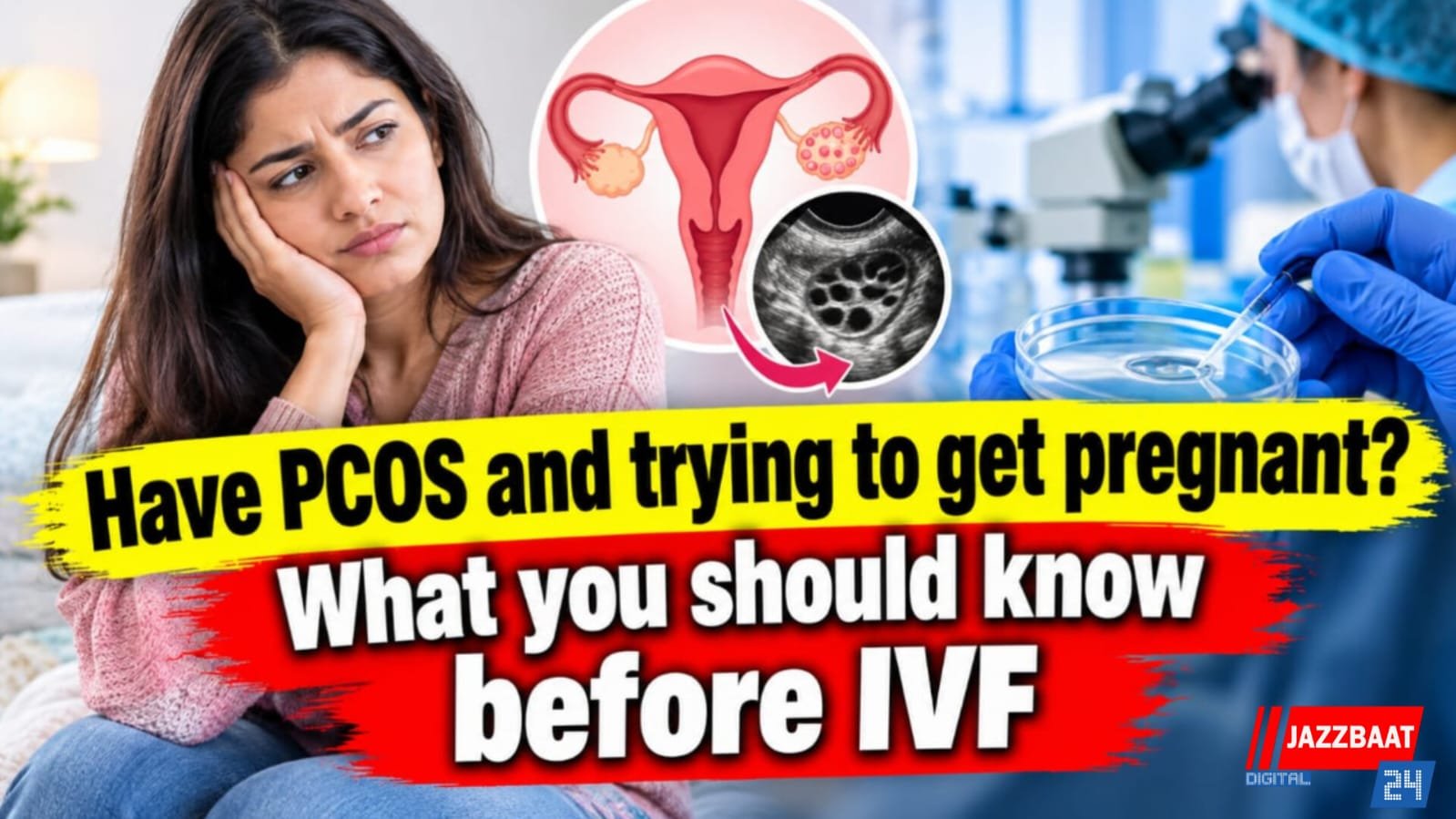
Polycystic ovary syndrome (PCOS) can make it harder for some women to conceive, but having the condition does not mean pregnancy is impossible. Doctors say PCOS is among the treatable causes of infertility, and understanding the reason behind difficulty in conception is important before considering treatments such as IVF.
Speaking to Hindustan Times Lifestyle, Dr Richika Sahay Shukla, an infertility and IVF specialist, explained that one of the main problems associated with PCOS is irregular or absent ovulation.
In a typical menstrual cycle, one follicle grows, matures and releases an egg. With PCOS, several follicles may begin developing but fail to mature fully. As a result, an egg may not be released during that cycle, reducing the chances of conception.
The number of menstrual cycles can also make a difference. A woman with a regular 28-day cycle may have around 12 or 13 opportunities to ovulate in a year. But if cycles occur every 60 or 90 days, there may be only a handful of opportunities. This can naturally make conception take longer.
Insulin resistance is another factor commonly associated with PCOS. When the body needs to produce more insulin to regulate blood sugar, higher insulin levels can contribute to increased production of male hormones by the ovaries. This can interfere with follicle development and ovulation.
Insulin resistance can also be associated with other features of PCOS, including difficulty managing weight, changes in the skin and hair, and irregular periods.
The condition may also affect the hormonal preparation of the uterine lining. In some women, irregular cycles, insulin resistance and excess weight can contribute to a higher risk of pregnancy complications, although individual risks vary.
Importantly, PCOS does not always come with excess weight. Some women with the condition are lean and may go undiagnosed for years. Therefore, irregular periods should be evaluated regardless of body weight.
Before considering IVF, doctors may recommend addressing factors that could be affecting ovulation and overall reproductive health. Keeping a period diary can help identify cycle patterns. For women who are overweight, even modest weight loss may improve ovulation in some cases.
Regular physical activity can also support metabolic health. A brisk walk for around 30 minutes on most days, along with strength exercises, may be beneficial. A balanced diet containing foods such as dal, vegetables and whole grains, while limiting sugary drinks and highly processed snacks, can also help manage insulin resistance.
Good sleep is another important part of overall health.
Ultimately, IVF is not automatically the first step for every woman with PCOS. The appropriate treatment depends on factors such as age, ovulation, other fertility issues and how long the couple has been trying to conceive. Women struggling to become pregnant should consult a qualified gynaecologist or fertility specialist for an individual assessment.
This article is for informational purposes only and is not a substitute for professional medical advice.


Reader Comments 0