
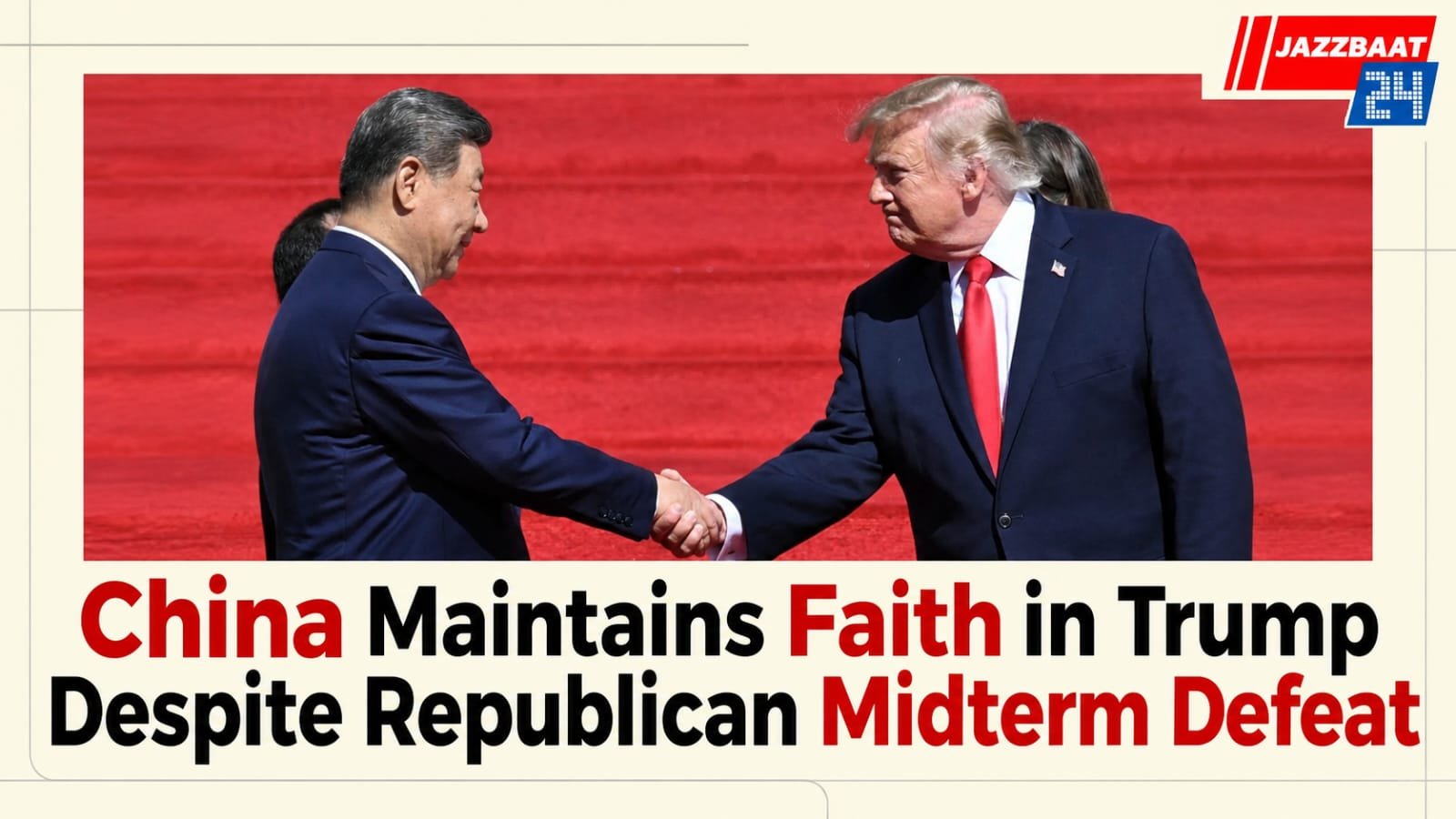
China is signalling that it wants to maintain stable relations with US President Donald Trump despite a major electoral setback for his Republican Party in the US midterm elections. While the results have triggered political reactions across the United States, Beijing appears keen to preserve the diplomatic understanding reached between Trump and Chinese President Xi Jinping.
The hashtag “Trump Total Defeat” reportedly attracted more than 70 million views on China's social media platform Weibo by Wednesday evening, reflecting the reaction among Chinese internet users to the Republican losses. However, the official response from Beijing has been considerably more measured.
Chinese Foreign Ministry spokesperson Mao Ning described the US midterm elections as an internal matter of the United States. She also reiterated China's commitment to implementing the understandings reached between the two heads of state and building a relationship based on mutual respect, peaceful coexistence and mutually beneficial cooperation.
The political setback comes after a difficult period in US-China relations. Following Trump's return to the White House in 2025, Washington and Beijing became involved in an intense trade confrontation, with tariffs on Chinese goods reaching exceptionally high levels. Relations subsequently stabilised through negotiations and a series of diplomatic engagements.
However, the Republican losses could introduce fresh complications. With Democrats gaining control of both chambers of Congress, the Trump administration may face increased scrutiny over trade agreements, export restrictions and its approach towards China.
Several proposed measures in Congress seek tighter restrictions on China's access to advanced semiconductor technology and manufacturing equipment. Lawmakers are also expected to examine the administration's decisions involving sensitive technologies and trade concessions.
For Beijing, the situation presents both opportunities and challenges. A politically weakened Trump could face greater difficulty securing congressional support for agreements with China. At the same time, his reduced domestic political influence could make his foreign policy decisions less predictable.
The Taiwan issue remains another major source of tension. China continues to oppose American arms sales to Taiwan, while Washington maintains its commitments under the Taiwan Relations Act to support the island's defensive capabilities.
Despite these disagreements, Chinese analysts believe that maintaining economic and diplomatic stability remains important for both countries. The two governments have significant interests in avoiding another prolonged trade confrontation.
Attention is now turning towards the next scheduled meeting between Trump and Xi, expected in around two weeks. The discussions could provide an indication of whether the existing understanding between Washington and Beijing can survive the changing political landscape in the United States.
For now, China appears determined to continue engaging with Trump, even as the Republican defeat creates fresh uncertainties for the future of bilateral relations.



Reader Comments 0