
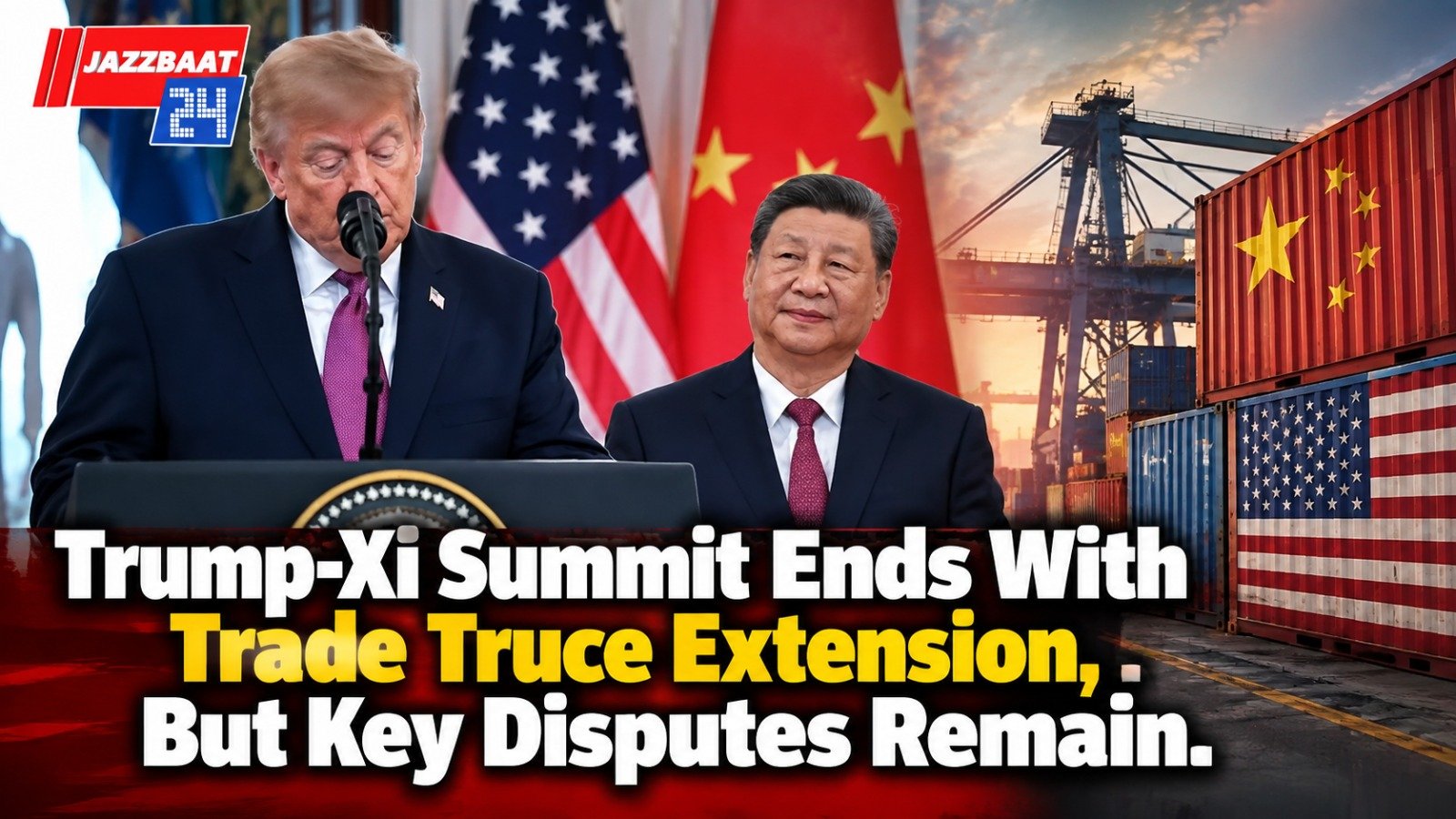
US President Donald Trump and Chinese President Xi Jinping concluded their latest summit in Washington after talks focused on trade, artificial intelligence, Taiwan, technology and wider geopolitical tensions. While both leaders stressed the importance of maintaining stable relations, the meeting did not produce major breakthroughs on several of the most contentious issues between the two countries.
The most concrete development came around trade. Washington and Beijing agreed to extend their existing trade truce until January 10, 2027. The extension gives negotiators additional time to work towards a broader economic agreement and avoids an immediate return to higher tariff pressures. The original arrangement had been due to expire in November.
However, several underlying disagreements remain unresolved. These include tariffs, China's exports of rare-earth minerals, agricultural purchases, technology restrictions and the wider structure of the US-China economic relationship. For businesses, the extension provides some temporary stability, but it does not settle the longer-term trade dispute.
Artificial intelligence was another major subject of discussion. Both governments have acknowledged the importance of maintaining dialogue over AI, even as Washington and Beijing compete for leadership in advanced technology and semiconductors. The two sides continue to differ over technology controls and the extent to which AI development should be regulated.
Taiwan also remained one of the most sensitive issues. Xi urged Washington to oppose Taiwanese independence and called for a cautious approach to the Taiwan question. The summit did not produce a publicly announced resolution to the broader disagreement between Washington and Beijing over Taiwan and regional security.
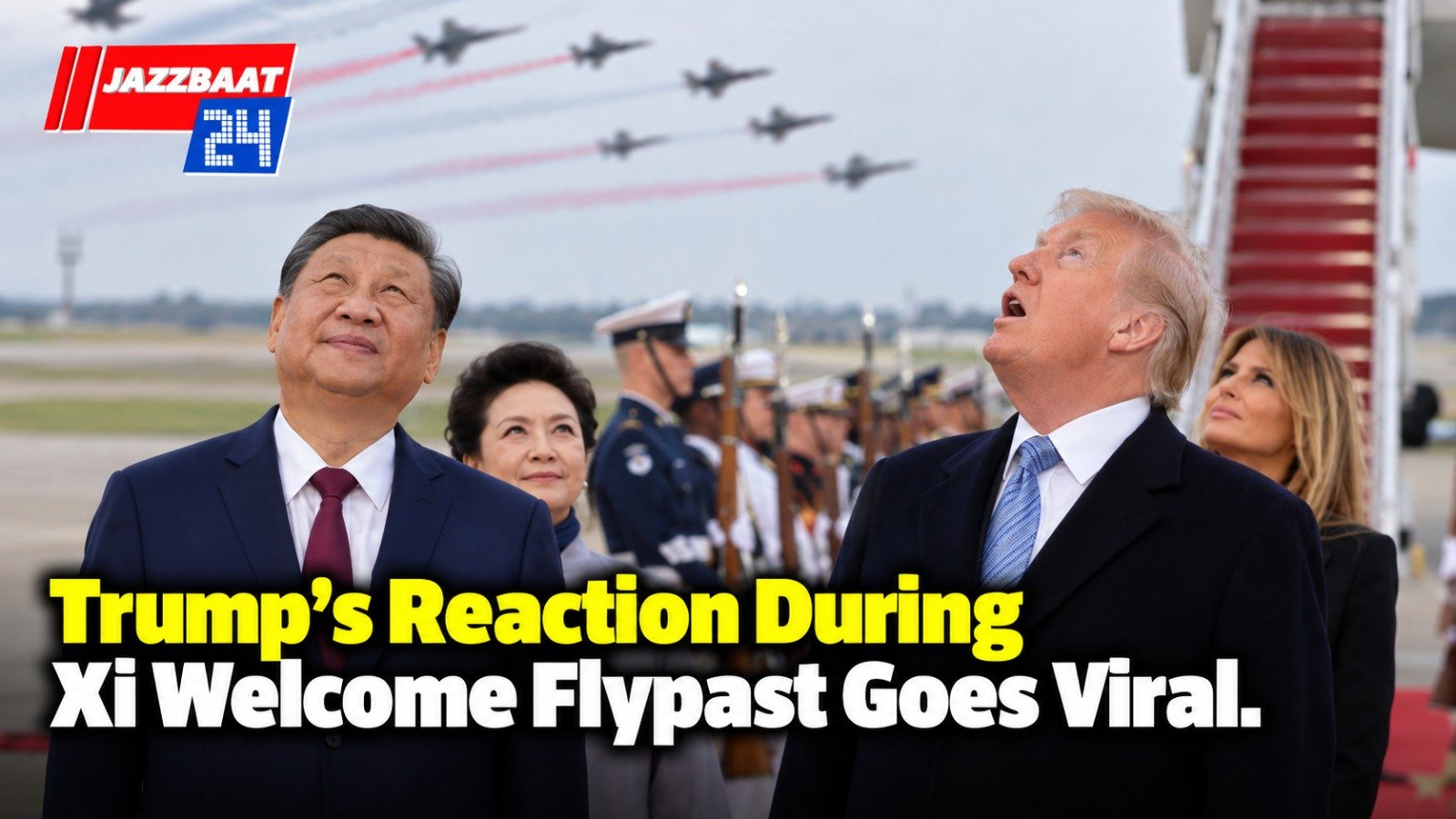
The atmosphere surrounding the meeting was notably ceremonial. Trump gave Xi a high-profile welcome in Washington, followed by official events and a state dinner attended by prominent political, business and technology figures. Despite the warm public gestures, analysts cited by international media noted that the substantive differences between the two governments remained significant.
The summit also took place against the backdrop of the ongoing conflict involving Iran. Beijing has supported efforts towards renewed dialogue between Washington and Tehran, while the Trump administration has pursued its own approach to the conflict. This added another layer to the strategic discussions between the United States and China.
For India, the meeting is being closely watched because any significant change in the US-China relationship could affect trade, technology supply chains, rare-earth availability and the wider balance of power in the Indo-Pacific. Analysts have also highlighted the importance of the China-plus-one strategy for countries such as India, particularly if American and Chinese tensions ease in areas such as trade and technology.
The summit therefore produced a mixed picture: Washington and Beijing have kept dialogue open and extended their trade truce, but major disagreements over Taiwan, AI, technology, rare earths and broader geopolitical issues remain. The coming months, particularly before the January 10 deadline, are likely to determine whether the temporary pause can develop into a broader economic and strategic understanding.


Reader Comments 0