
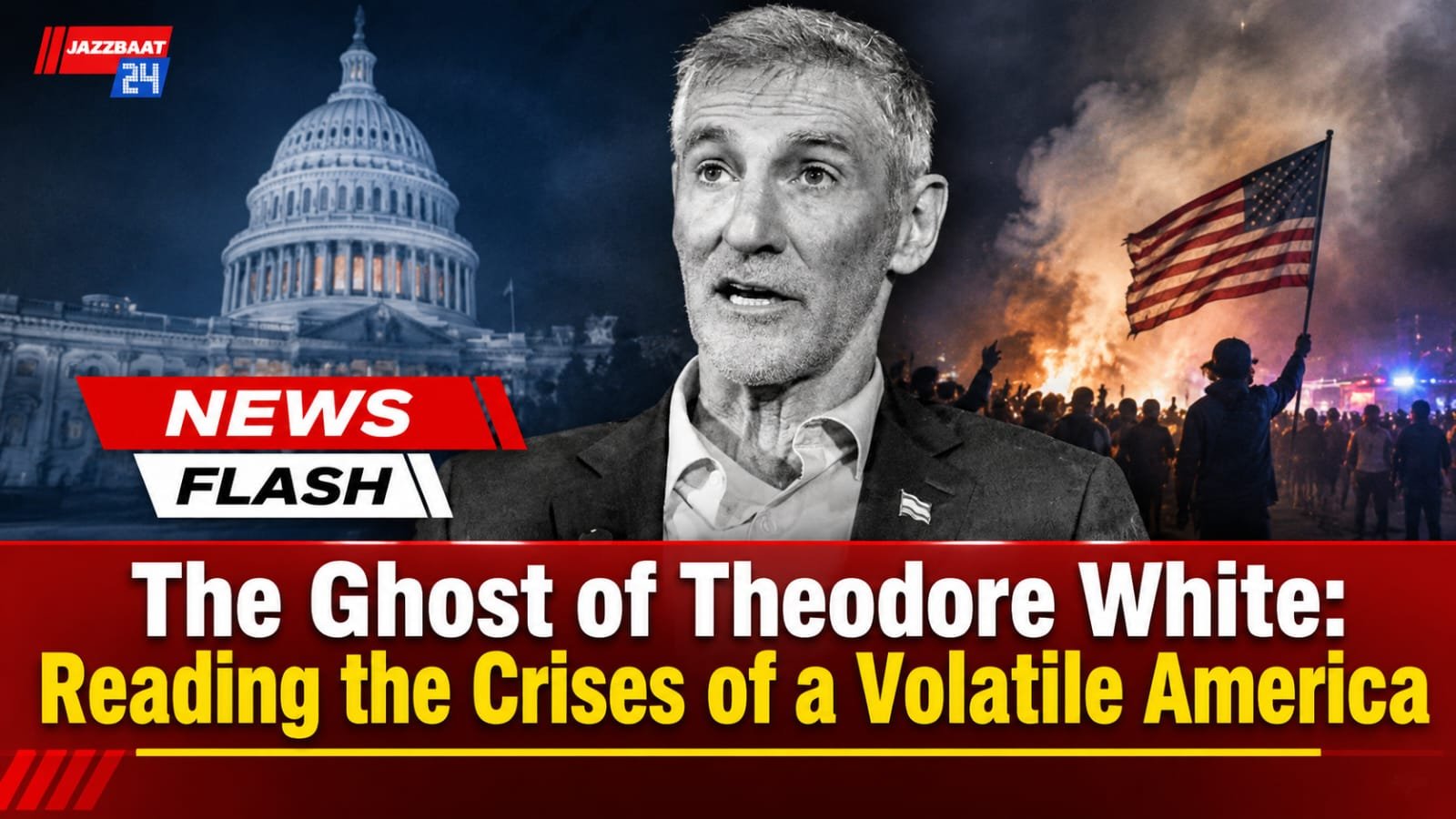
The political turbulence unfolding in the United States has revived an important question about American democracy: how much pressure can its institutions withstand before public confidence begins to weaken? The answer may lie in revisiting the work of Theodore H. White, the celebrated American journalist and historian whose reporting transformed the way presidential campaigns and political power were understood.
White, best known for his acclaimed The Making of the President series, believed that elections were about much more than candidates, speeches and campaign strategies. They were also reflections of a nation's anxieties, ambitions, divisions and changing political identity. His approach to political reporting remains relevant as America navigates another period of uncertainty.
The second presidency of Donald Trump has brought several overlapping challenges to the American political system. Immigration enforcement, trade tariffs, questions surrounding executive authority, institutional independence and growing political polarisation have become central to national debate. The conflict with Iran has added another dimension, linking foreign policy decisions with economic concerns, particularly fuel prices and the cost of living.
The November 2026 midterm elections have further demonstrated the volatility of the political environment. The Democratic Party's gains in both chambers of Congress have changed the balance of power in Washington. The results reflected voter dissatisfaction over economic pressures, the Iran conflict and concerns about governance. They also raised questions about the future direction of the Republican Party and the political movement built around Trump.
However, an electoral setback does not automatically resolve deeper institutional tensions. A change in congressional control can create stronger oversight, encourage investigations and limit the administration's legislative options. But rebuilding public confidence in democratic institutions requires more than election results. It demands transparency, accountability and respect for constitutional boundaries.
Another important concern is the changing relationship between politics and journalism. In an increasingly digital environment, information travels faster than ever, while misinformation, political messaging and declining trust in traditional institutions complicate public debate. Independent journalism has an essential role in examining power, verifying claims and giving citizens the information needed to make informed decisions.
Theodore White's legacy offers a useful reminder that political journalism should look beyond the immediate drama. It must examine the people, institutions and social forces shaping historical change.
America's current crisis is not simply about one president or one election. It is about the durability of democratic institutions and the ability of a deeply divided society to maintain a shared commitment to constitutional government. The ghost of Theodore White therefore returns not as nostalgia, but as a reminder of the importance of understanding history while reporting the present.
Reader Comments 0