
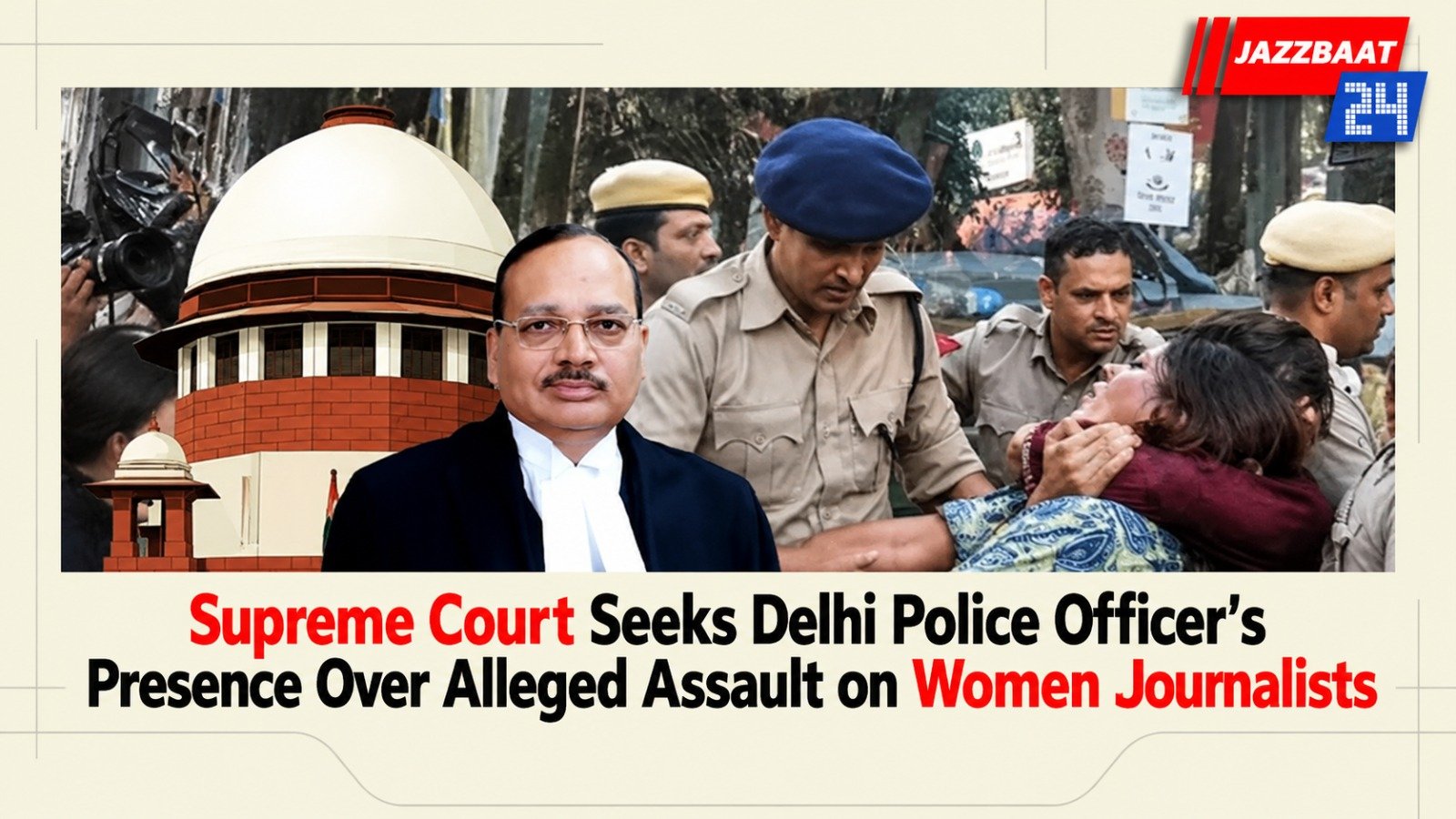
New Delhi, October 13: The Supreme Court on Tuesday sought the personal presence of a senior Delhi Police officer on Thursday to explain allegations that women journalists covering anti-Election Commission protests in the national capital were assaulted, manhandled and detained while performing their professional duties.
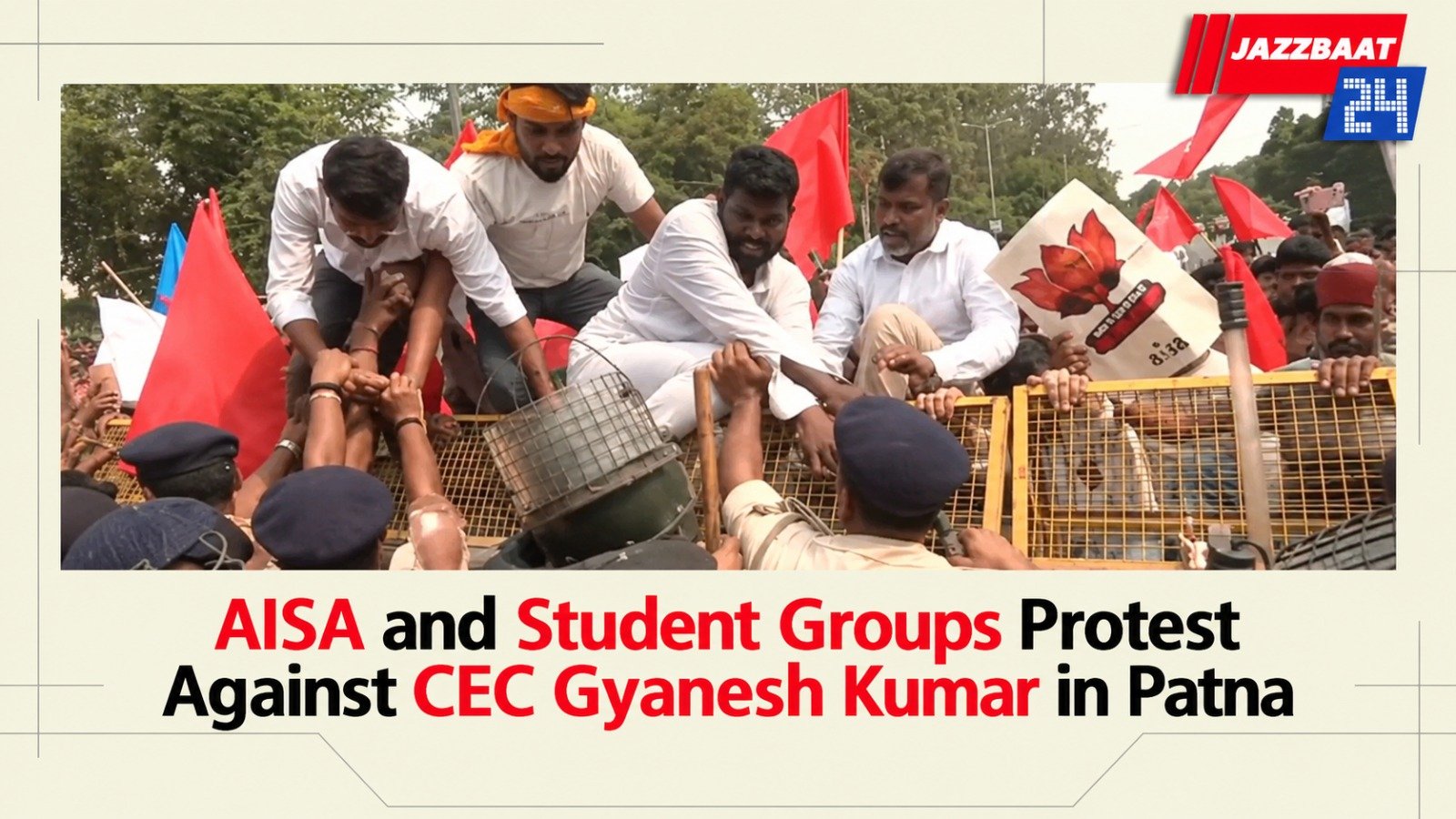
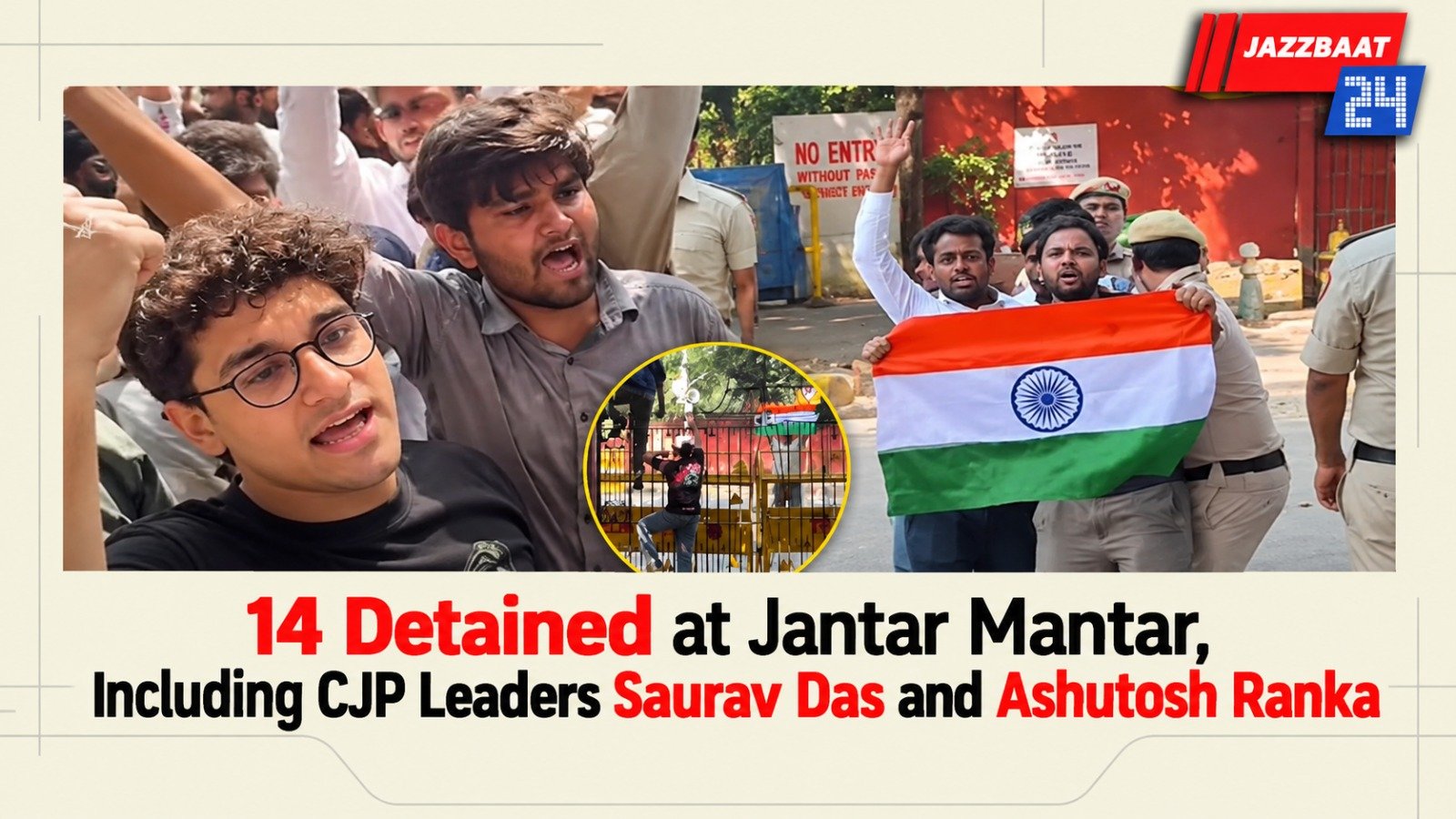
Chief Justice of India (CJI) Surya Kant issued the direction after senior advocate Indira Jaising mentioned a petition filed by the Network of Women in Media, India (NWMI), seeking safeguards for journalists covering protests and public gatherings. The court agreed to hear the petition on Thursday alongside other pending matters concerning alleged police excesses during demonstrations against Chief Election Commissioner Gyanesh Kumar.
“We would like some senior officer to remain present here and explain,” the CJI said, indicating that the police would have to respond to the allegations.
The petition comes amid growing concerns over the treatment of journalists covering protests against alleged irregularities in the Special Intensive Revision (SIR) of electoral rolls. Several media professionals reportedly faced detention and physical handling by police personnel despite identifying themselves as members of the press.
Senior advocate Gopal Sankaranarayanan also mentioned a contempt petition filed by the Freedom of Speech Collective, alleging that police personnel assaulted journalists in violation of the Supreme Court’s October 10 order directing that mediapersons covering the protests should not be harassed. Another similar petition was mentioned by senior advocate Chander Uday Singh.
The NWMI petition seeks directions to protect the safety, dignity and independence of journalists reporting on demonstrations. It argues that the existing inquiry into alleged police excesses does not adequately address journalists’ access to protest sites, their detention and forcible removal, or the safeguards required for independent reporting.
The plea specifically seeks protection for women journalists engaged in legitimate reporting, arguing that they should not face physical intimidation, arbitrary detention or forcible removal merely for being present at a protest or crowd-control operation.
Among the reported incidents was the detention of at least 12 journalists by Delhi Police on Sunday while they were covering demonstrations against Gyanesh Kumar. Hindustan Times reporter Ashish Singh alleged that he was pushed, injured and forced onto a bus despite wearing his press identity card and identifying himself as a journalist.
Singh said he was covering a protest called by the All India Students' Association (AISA) near RK Ashram Marg when police personnel allegedly pushed him and struck him with a pointed object. He and a photojournalist were reportedly kept on a bus for around 20 to 30 minutes before getting off near Mandir Marg.
Journalists from other media organisations also reported being detained. Three journalists from The Indian Express were reportedly taken from Connaught Place to Chhatrasal Stadium before being released approximately 45 minutes later. A journalist from The Hindu was also briefly pushed onto a bus before being released after identifying herself.
The allegations have emerged amid broader legal proceedings concerning restrictions imposed during protests, including claims of mass detentions and disruptions to public transport.
On Sunday, a special Supreme Court bench directed that peaceful, unarmed protesters could not be detained except according to the procedure established by law. It also issued directions concerning the normal functioning of public transport, internet connectivity and freedom of movement, subject to lawful restrictions.
The Supreme Court’s latest intervention places the conduct of police personnel towards journalists under closer judicial scrutiny. The senior officer is expected to explain the allegations when the matter comes up for hearing on Thursday. The allegations against the police have not yet been established through a final judicial finding.
Reader Comments 0