
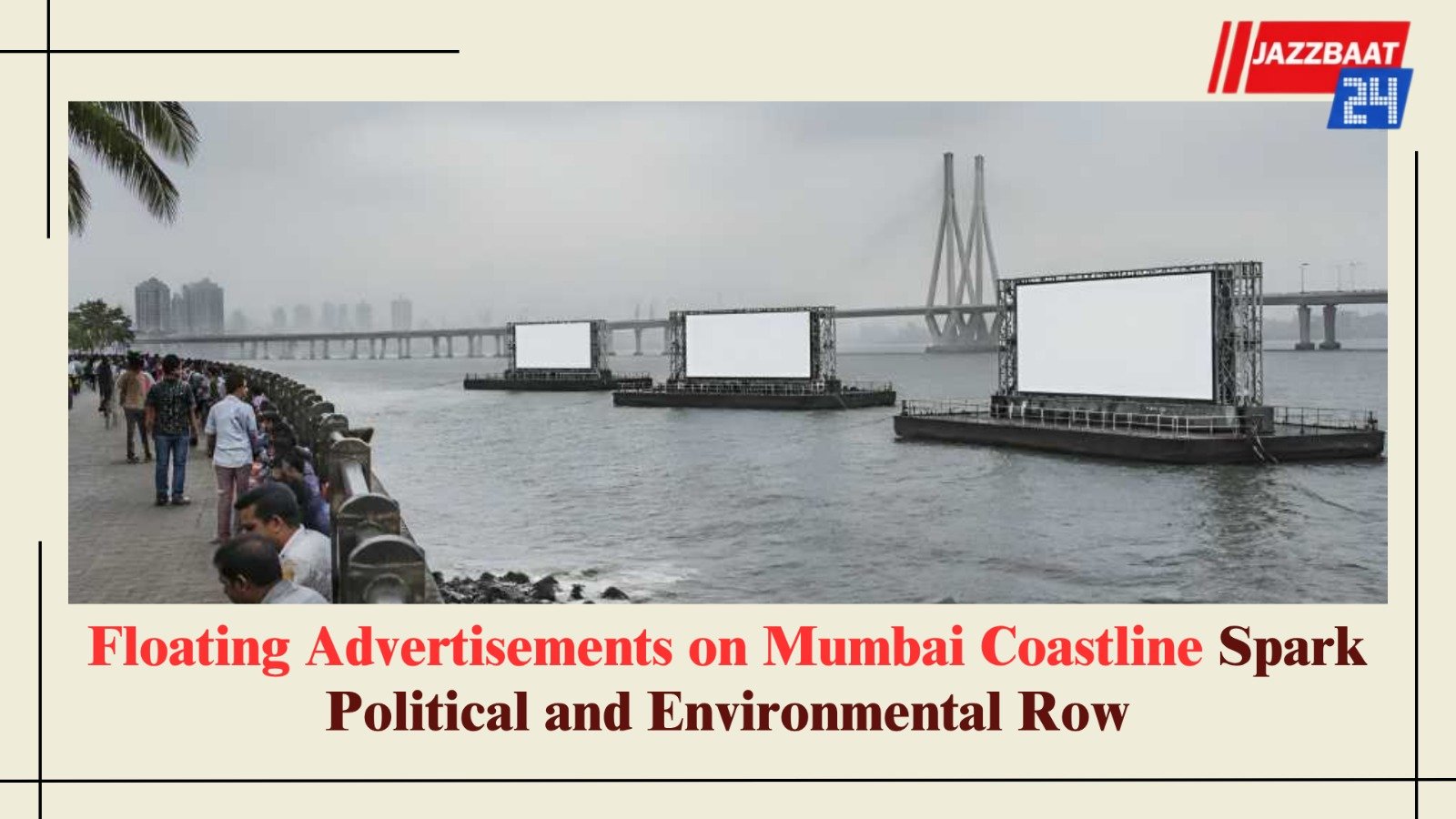
News Desk: Mumbai's iconic coastline could soon look very different, with a proposal to introduce floating advertisements and large hoardings at several locations across the city triggering a political and environmental controversy. The Maharashtra Maritime Board is planning to allow advertising installations at around 20 locations across the Mumbai Metropolitan Region, including some of the city's most popular beaches and waterfront promenades.
Under the proposed plan, advertising agencies will be permitted to install and maintain promotional displays in exchange for advertising rights. Some advertisements will be placed on barges floating in the sea, while others will take the form of conventional hoardings near beaches and jetties. The proposed locations include Juhu Beach, Carter Road, Marve Jetty, Lotus Jetty and the Bandra-Worli Sea Link jetty in Worli.
The maritime board has invited bids from interested agencies to implement the project. The main objective is to generate additional revenue that can be used for maintaining port facilities and supporting water transport infrastructure.
Maharashtra Ports and Fisheries Minister Nitesh Rane has defended the proposal, saying the board had previously issued no-objection certificates for advertisements without earning any revenue. According to him, the new policy aims to ensure that the government receives financial benefits from such activities. He also maintained that the installations would follow applicable environmental and coastal regulations.
However, the proposal has faced strong opposition from political leaders, environmentalists and residents' associations.
Shiv Sena (UBT) leader and former Maharashtra Environment Minister Aaditya Thackeray has strongly objected to the move. In a letter to Chief Minister Devendra Fadnavis, he urged the government to intervene and stop the proposal, arguing that floating hoardings would damage Mumbai's natural beauty and obstruct views of the Arabian Sea.
Thackeray also raised concerns about the growing number of LED advertisements across the city and called for stricter regulations on their brightness and installation.
Environmental organisations have warned that illuminated advertisements could have serious consequences for marine ecosystems. Environmentalist Sumaira Abdulali has cautioned that bright LED screens could penetrate deep into the water, potentially disturbing marine life and disrupting the marine food chain.
The Awaaz Foundation has also highlighted concerns about light pollution, while the Bandra West Residents' Association has opposed the commercialisation of public beaches and promenades.
The association argues that public waterfront spaces should remain accessible and free from excessive commercial advertising.
With concerns growing over coastal conservation, marine biodiversity and Mumbai's urban landscape, the proposal has now become a major debate over development, revenue generation and the protection of public spaces.




Reader Comments 0