
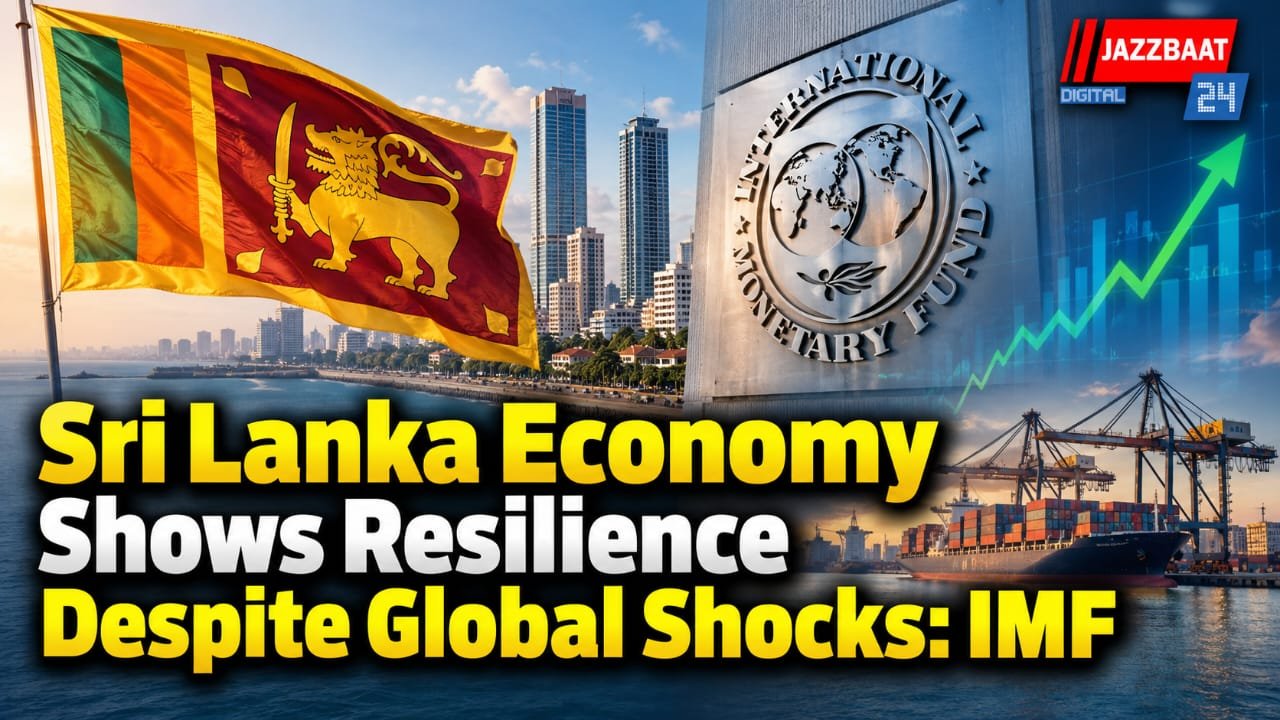
Sri Lanka’s economy has continued to show resilience despite a series of global and domestic challenges, with economic activity growing 4.2 per cent in the second quarter of 2026, according to the International Monetary Fund (IMF).
The latest growth figure marks the 11th consecutive quarter of strong economic expansion, highlighting the country’s continued recovery and improving economic stability. The IMF shared the assessment after completing its September 10-23 mission to Sri Lanka.
However, the international lender warned that the country remains exposed to several external risks. Inflation rose to 8 per cent year-on-year in August, largely reflecting the impact of higher global oil prices. Despite the increase, inflation expectations remain broadly stable, the IMF said.
Sri Lanka’s foreign exchange position has also strengthened. Gross official reserves reached around $6.9 billion at the end of August 2026. The country’s banking sector, meanwhile, remains well capitalised and profitable, according to the IMF.
The Fund cautioned that uncertainty surrounding the duration and intensity of the conflict in West Asia, changes in global trade policies and the effects of El Niño could create additional pressure on the economy.
The IMF stressed that maintaining macroeconomic stability will require continued fiscal discipline and economic reforms. It called for stronger fiscal and external buffers, stable prices and progress on governance reforms, while also emphasising the need to strengthen social protection for vulnerable sections of the population.
A key recommendation was the development of a medium-term revenue strategy. The IMF said Sri Lanka should improve the efficiency and fairness of its tax system by widening the tax base and reviewing tax exemptions and incentives.
The Fund also advised authorities to maintain the country’s inflation target at 5 per cent, describing price stability as an important part of sustaining the economic recovery.
During its mission, the IMF team also visited Jaffna in Sri Lanka’s Northern Province. Discussions with businesses and civil society groups highlighted opportunities for investment and job creation in areas including agriculture, fisheries, tourism and renewable energy.
The IMF said better connectivity and skills development could help unlock the region’s economic potential. It also stressed that strengthening social protection would be important to ensure that the benefits of Sri Lanka’s economic recovery reach a wider section of the population.
While recent growth and stronger reserves point to improved economic conditions, the IMF’s assessment indicates that Sri Lanka still faces significant external risks and will need sustained reforms to preserve economic stability.




Reader Comments 0