
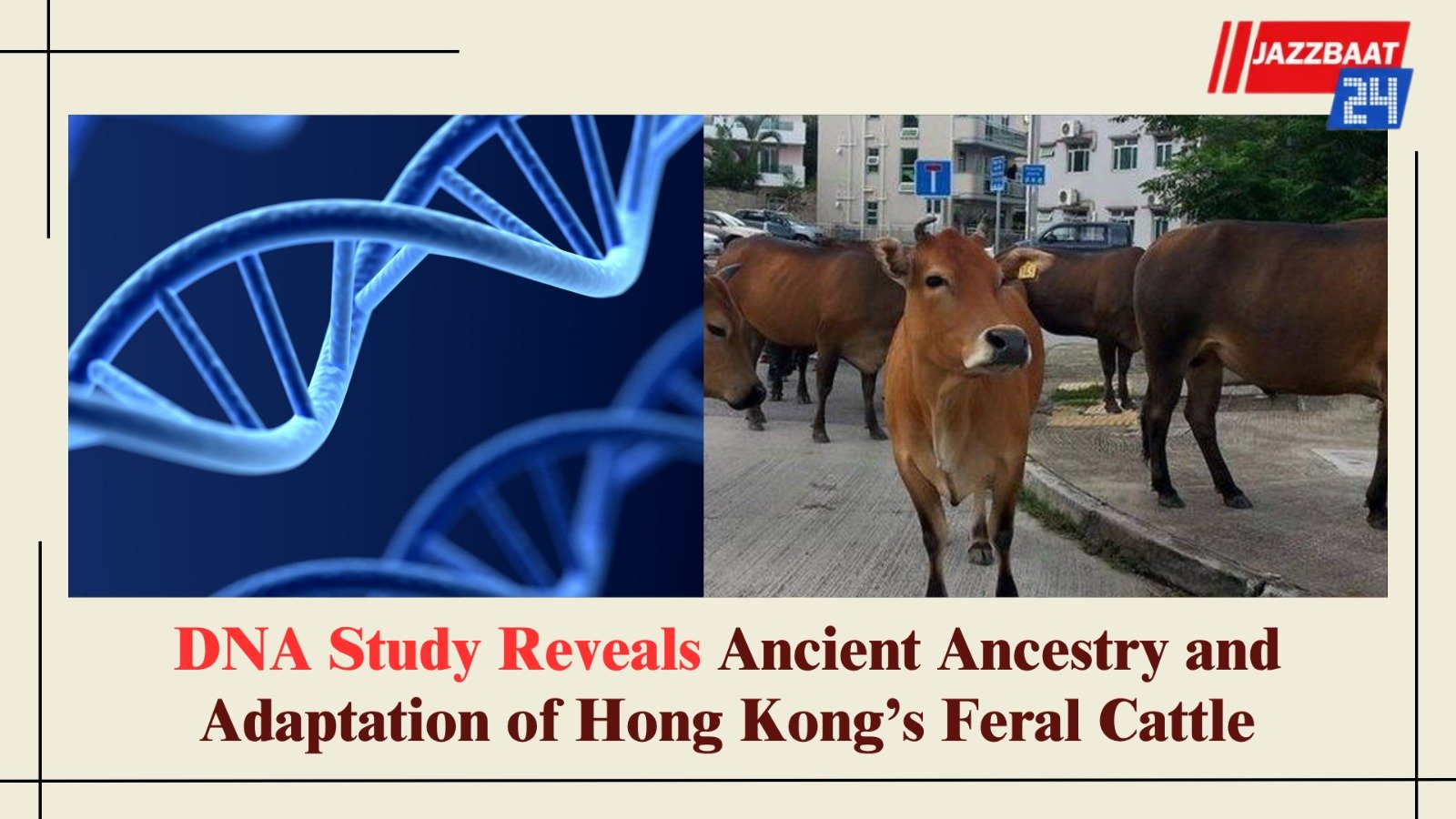
News Desk: A new genome study has uncovered fascinating details about the ancestry, genetic diversity and possible environmental adaptations of Hong Kong’s feral cattle. Researchers sequenced the DNA of 30 cattle and compared their genetic profiles with those of 116 animals from four major cattle populations, revealing a distinctive genetic history shaped by ancient ancestry and generations of life in the wild.
Cattle were once widely used as working animals by farmers in Hong Kong. However, changing economic conditions led to a decline in cattle farming. During the 1970s, some animals were abandoned and began roaming freely. Over time, they developed into a feral population living largely without human supervision, controlled breeding or regular veterinary care.
The population is estimated to number around 1,000 animals. Researchers collected samples mainly from Sai Kung, Lantau Island and the eastern and northern parts of the New Territories.
The study found that Hong Kong’s feral cattle are most closely related to East Asian indicine cattle, but possess a distinct genetic signature. Scientists also identified evidence of ancient genetic contributions from two wild bovine species, banteng and gaur.
According to the researchers’ estimates, genetic material from banteng entered the cattle lineage around 8,900 years ago, while contributions from gaur occurred approximately 9,900 years ago. These findings suggest that some characteristics of the cattle’s ancestry date back thousands of years, long before the animals became feral in Hong Kong.
One of the study’s most notable findings was the combination of high genetic diversity and signs of inbreeding. Despite a reduction in effective population size, the cattle retained considerable genetic variation. Researchers also identified longer stretches of identical DNA than those found in several other indicine cattle populations, indicating a history of close genetic relationships.
The team investigated whether natural selection may have favoured genetic traits useful for survival in local conditions. Certain genomic regions were associated with characteristics such as heat-stress response, bone density, immunity, development and metabolism. A region containing the ADRA1A gene was linked to heat-stress response.
The cattle also display varied coat patterns, distinctive horn shapes and differences in body structure. Variations in genes including NINL, DEXI and CIITA may help explain differences in coat pigmentation, although researchers stressed that these possible adaptations require further investigation.
The findings offer scientists an opportunity to understand how domesticated animals change after human management declines. Hong Kong’s feral cattle could provide valuable insights into genetic diversity, ancient crossbreeding and how animals respond to environmental pressures over generations.



Reader Comments 0