
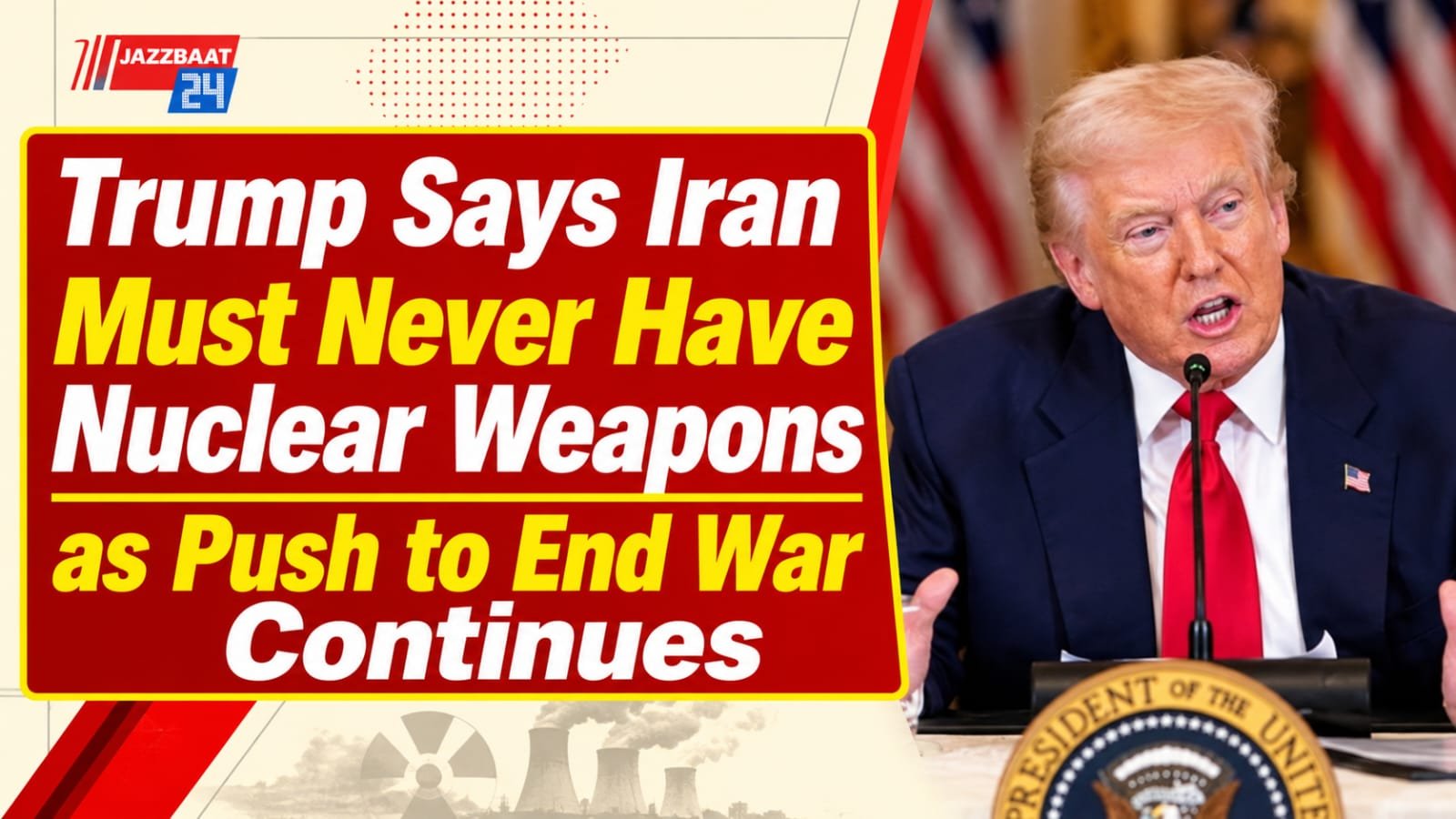
US President Donald Trump has reiterated that Iran must never be allowed to possess nuclear weapons, describing the issue as a non-negotiable condition as Washington continues efforts to bring the conflict with Tehran to an end. At the same time, he has indicated that the United States is not currently looking to escalate military action, although American forces remain prepared for further strikes if the situation changes.
Speaking to reporters at the White House on November 9, Trump said that preventing Iran from acquiring a nuclear weapon remained the central objective of his administration. He claimed that there was broad agreement on the issue and suggested that Iranian representatives understood Washington's position, even if they were unwilling to acknowledge it publicly.
Trump also expressed optimism about the possibility of a diplomatic settlement. He said he hoped an agreement could be reached with Tehran and indicated that negotiations were continuing. His comments came after a meeting with Qatar's Prime Minister Sheikh Mohammed bin Abdulrahman Al Thani, whose country has played an important role in diplomatic efforts surrounding the conflict.
The US president described Iran's military capabilities as effectively defeated, saying Washington was maintaining the current situation rather than launching another major offensive. However, he warned that American forces remained fully prepared and equipped to respond if circumstances demanded it.
He further stated that several countries in the Middle East preferred a peaceful resolution and that their security concerns were among the reasons Washington was maintaining the present arrangement. Trump indicated that the United States would remain engaged in the region to protect its allies from potential Iranian threats.
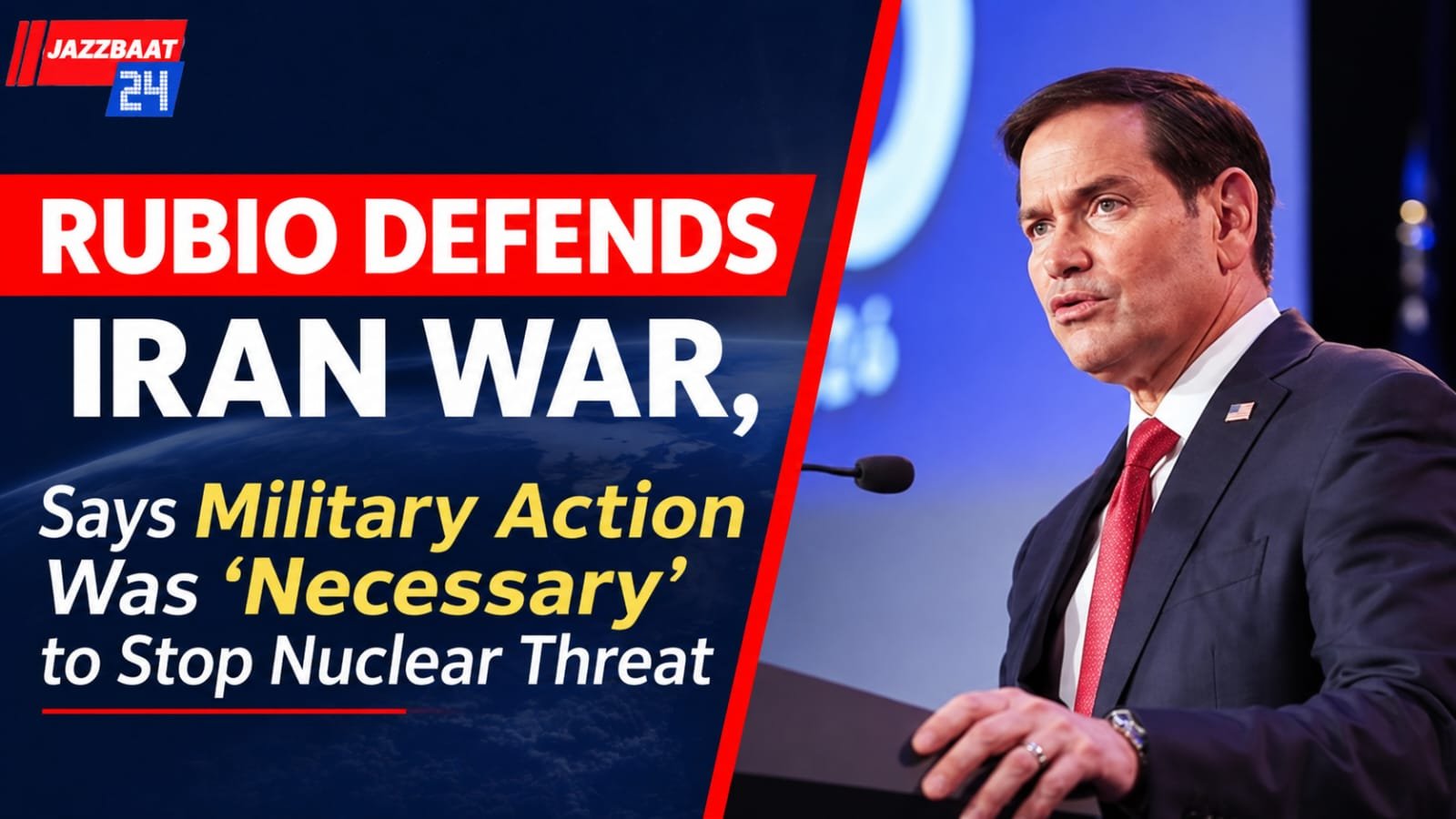
However, the diplomatic picture remains uncertain. US Secretary of State Marco Rubio has cautioned against expecting an immediate breakthrough in negotiations. He said Iran's demands remained unacceptable to Washington and that discussions were not yet close to producing an agreement. This has raised questions about how quickly the two sides can reach a lasting settlement.
The conflict has also created wider economic concerns, particularly over energy prices and international trade. Uncertainty surrounding the Middle East has affected oil markets, while the possibility of a prolonged confrontation has added pressure on global energy supplies. The recent easing of tensions has helped push US crude prices below $90 per barrel, although the situation remains fragile. CBS News
Trump's latest remarks suggest a shift towards diplomacy, but his warning about military readiness indicates that the possibility of renewed confrontation has not disappeared. His administration is seeking assurances that Iran will not develop nuclear weapons, while Tehran's position and the terms of any potential agreement remain key obstacles.
For now, Washington appears willing to give negotiations more time rather than immediately resume large-scale military operations. Whether diplomatic efforts can deliver a permanent agreement or the region will face another escalation remains uncertain.



Reader Comments 0