
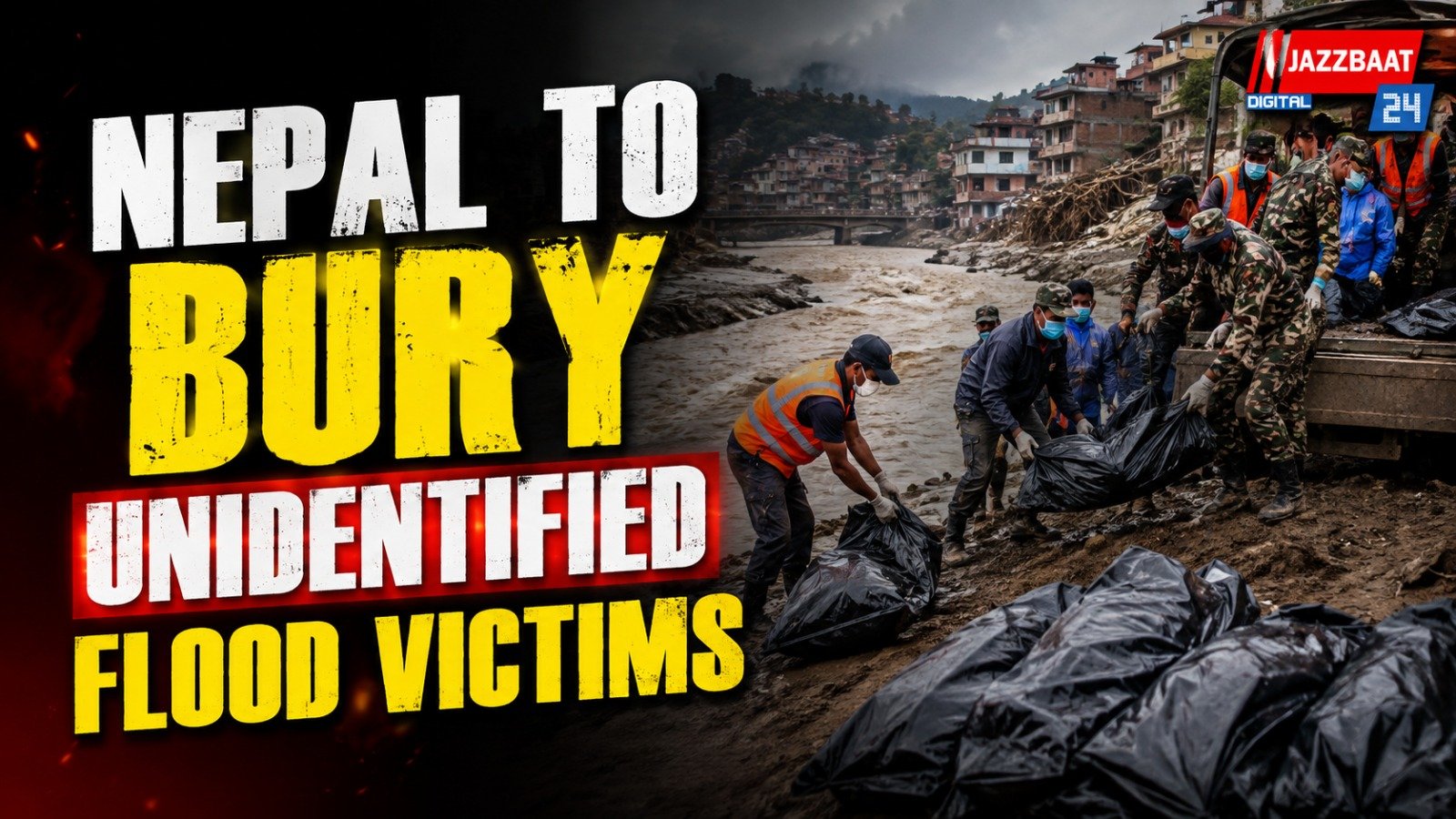
Nepal has begun burying unidentified victims recovered after the devastating floods and landslides that struck the country this week, as authorities struggle with overflowing mortuaries and the rapid decomposition of bodies.
Officials in Chitwan have started the burial of unidentified and unclaimed remains recovered from flood-hit areas. In the district, 229 bodies were awaiting identification, with only a small number formally identified by relatives. Authorities said the decision was necessary because of the deteriorating condition of the bodies and limited facilities to preserve them safely.
However, the burial does not mean authorities are giving up on identifying the victims. Nepal has introduced a system to preserve forensic evidence before the bodies are buried. DNA samples are being collected, while officials are assigning a unique identification or reference number to each body. Records of where each victim is buried are also being maintained.
This information could allow families to identify their missing relatives even after burial. If a DNA sample from a missing person's family matches the preserved sample taken from an unidentified victim, authorities can establish the person's identity. The records and location tags can then help relatives locate the burial site and, where necessary, arrange for the remains to be exhumed.
DNA is not the only method being used. Nepalese authorities have also been collecting photographs and fingerprints and examining physical characteristics wherever possible. These records can later be compared with information provided by families searching for missing relatives.
The need for such a system has become urgent as the disaster has produced a large number of casualties and missing people. Rescue teams are continuing searches in areas badly affected by torrents of water, mud and debris, while many families remain without information about relatives who disappeared during the disaster.
Nepal's authorities are also seeking specialist assistance to strengthen rescue operations and forensic identification. International support could help with DNA testing and other technical aspects of identifying victims.
The preservation of DNA and other forensic records is therefore being treated as a crucial step in ensuring that victims do not remain unidentified permanently. Even after burial, the evidence collected now could provide families with answers in the future.
For relatives still searching for loved ones, the process offers a possibility of identification despite the difficult decision to bury the victims before their identities are confirmed.




Reader Comments 0