
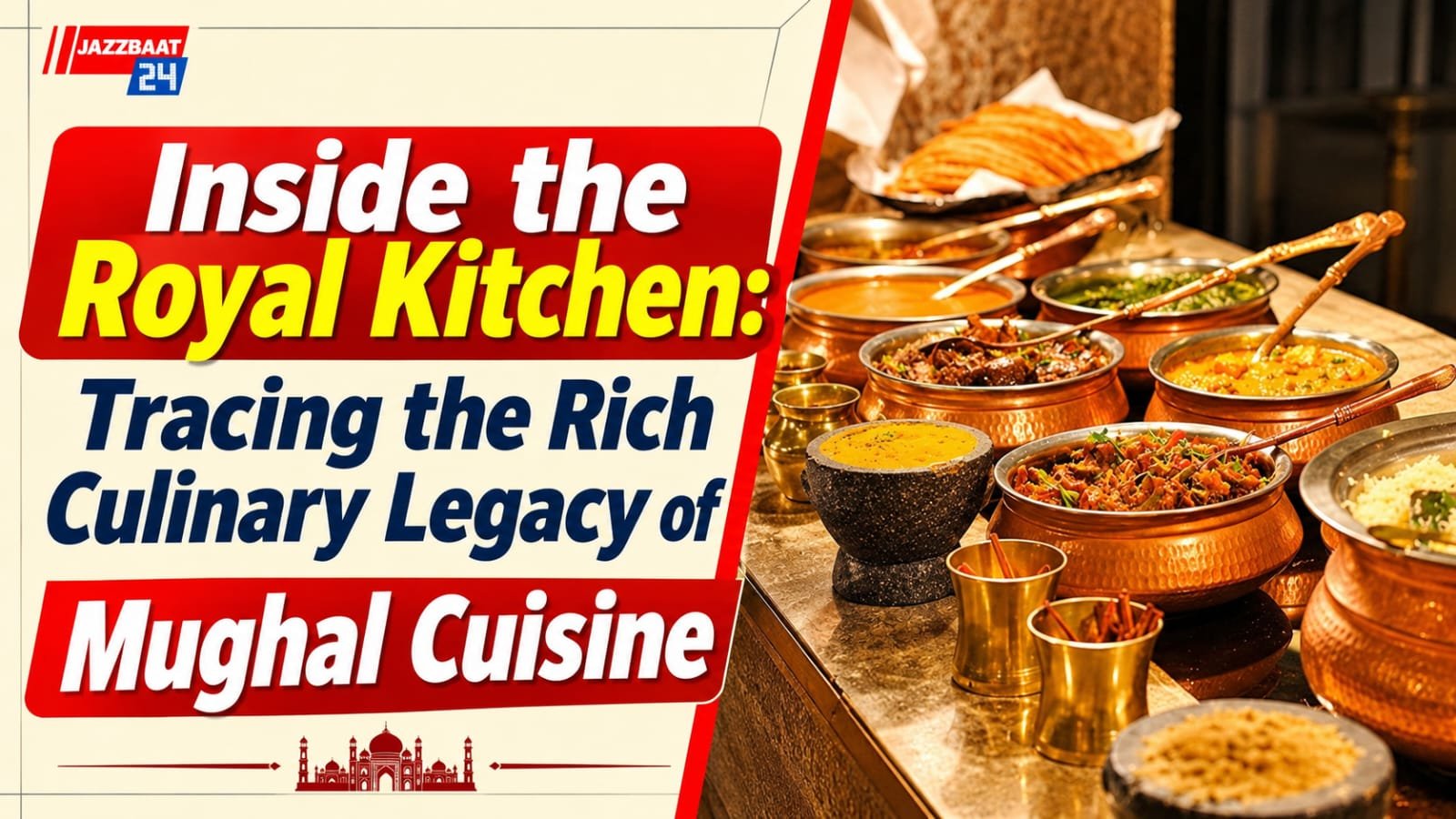
Behind the grandeur of Mughal palaces and royal courts lay another world of extraordinary creativity the imperial kitchen. From aromatic biryanis and delicate kebabs to rich pulaos, fragrant sweets and elaborate meat preparations, Mughal cuisine developed into one of the most influential culinary traditions in the Indian subcontinent. Its legacy continues to shape Indian food culture, even centuries after the empire's decline.
The Mughal royal kitchen was not simply a place where meals were prepared. It was an organised institution where skilled chefs, known as bawarchis, experimented with ingredients, cooking techniques and flavours. Food was also an expression of power, hospitality, refinement and royal identity.
Persian, Central Asian, Afghan and Indian culinary traditions came together to create a distinctive style of cooking. The arrival of Persian culinary influences, particularly during the reign of Humayun, helped introduce new techniques and flavour combinations. Over time, Indian ingredients and regional cooking traditions became an integral part of the royal menu.
Historical culinary manuscripts provide fascinating insights into this world. One such important document is Nuskha-e-Shahjahani, a Persian-language collection of recipes associated with the royal kitchen of Emperor Shah Jahan. Food historian Salma Yusuf Husain translated the manuscript into English through her book The Mughal Feast: Recipes from the Kitchen of Emperor Shah Jahan.
The manuscript describes preparations ranging from breads, soups and pulaos to kebabs, fish dishes, stuffed preparations and sweets. Almonds, pistachios, walnuts, raisins, apricots and saffron featured prominently in several recipes. Rather than overwhelming dishes with spices, royal cooks often focused on carefully balanced flavours and aromatic ingredients.
Different emperors also influenced the evolution of the cuisine. Akbar encouraged the incorporation of Indian culinary traditions, while Jahangir's fondness for fruits and regional delicacies influenced royal food preferences. Shah Jahan's court became particularly associated with elaborate feasts and sophisticated preparations.
Interestingly, many ingredients commonly associated with modern Mughlai cooking were not always part of the earliest royal recipes. Chillies, potatoes and tomatoes arrived in India through Portuguese trade and gradually became integrated into local cooking traditions.
Biryani, kebabs, korma, pulao and shahi desserts have since become familiar names across Indian kitchens. However, the popular versions served today are not necessarily identical to historical royal preparations.
Mughal cuisine is ultimately a story of cultural exchange, experimentation and adaptation. From the imperial dastarkhwan to contemporary restaurants, its culinary influence remains deeply embedded in India's food heritage.


Reader Comments 0