
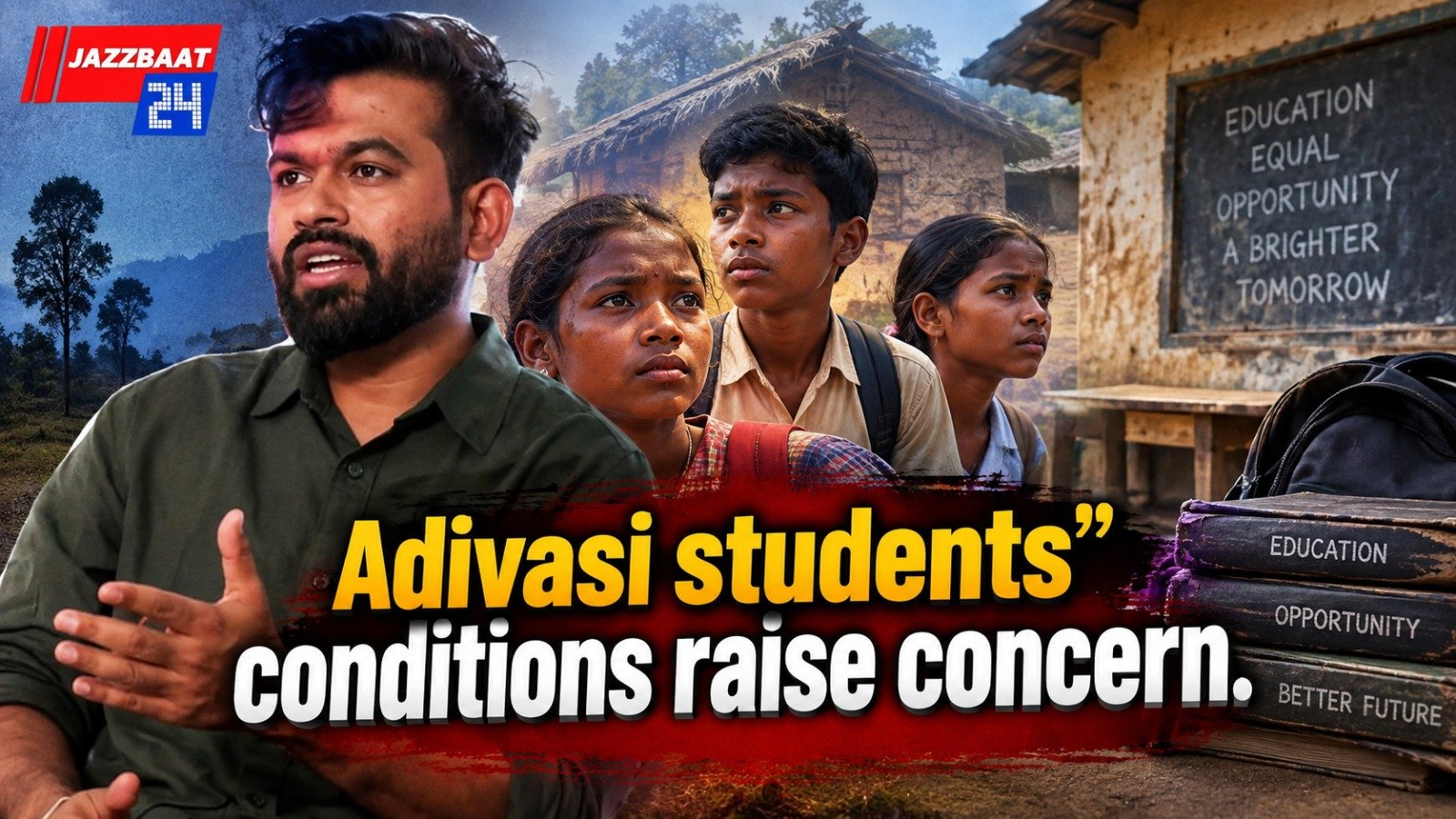
CJP founder Abhijeet Dipke has raised concerns over the living and educational conditions of Adivasi students, alleging that many are being denied basic facilities such as quality food, proper accommodation and adequate educational infrastructure.
In a post on X, Dipke said Adivasi students should not be made to eat stale food that is cooked late at night and served the following afternoon. He also questioned the practice of making students sleep on floors because authorities have failed to provide sufficient beds.
Dipke stressed that dignity, proper care and quality educational facilities are basic rights rather than privileges. His comments came amid concerns over the conditions faced by tribal students at educational institutions.
He also highlighted the reported deaths of Adivasi students in Maharashtra’s ashram schools. Dipke claimed that more than 590 tribal students had died in the state over a period of two years and alleged that their families received compensation of only ₹2 lakh. He questioned whether such compensation adequately reflected the value of a student’s life.
The CJP founder also criticised the authorities for what he described as failures in ensuring the safety and welfare of tribal students. According to him, deaths linked to neglect, inadequate care and poor management require serious attention from the government.
The issue has also been connected to a protest by tribal students in Nashik. Earlier, Dipke met students who had been on hunger strike for 12 days over concerns about disparities in facilities, food and education.
While expressing support for their demands, Dipke urged the protesting students to end their hunger strike because of concerns about their health. At the same time, he called on them to continue pursuing their demands through other forms of protest.
Dipke said that if necessary, he would join the students in a march to Mumbai. His remarks have brought renewed attention to the conditions of tribal students and the need for better accommodation, food, healthcare and educational infrastructure.
The allegations, including the claim about more than 590 deaths, were made by Dipke and form the basis of his criticism of the authorities. The issue is likely to draw further attention as demands grow for greater accountability and improved facilities for Adivasi students.


Reader Comments 0