
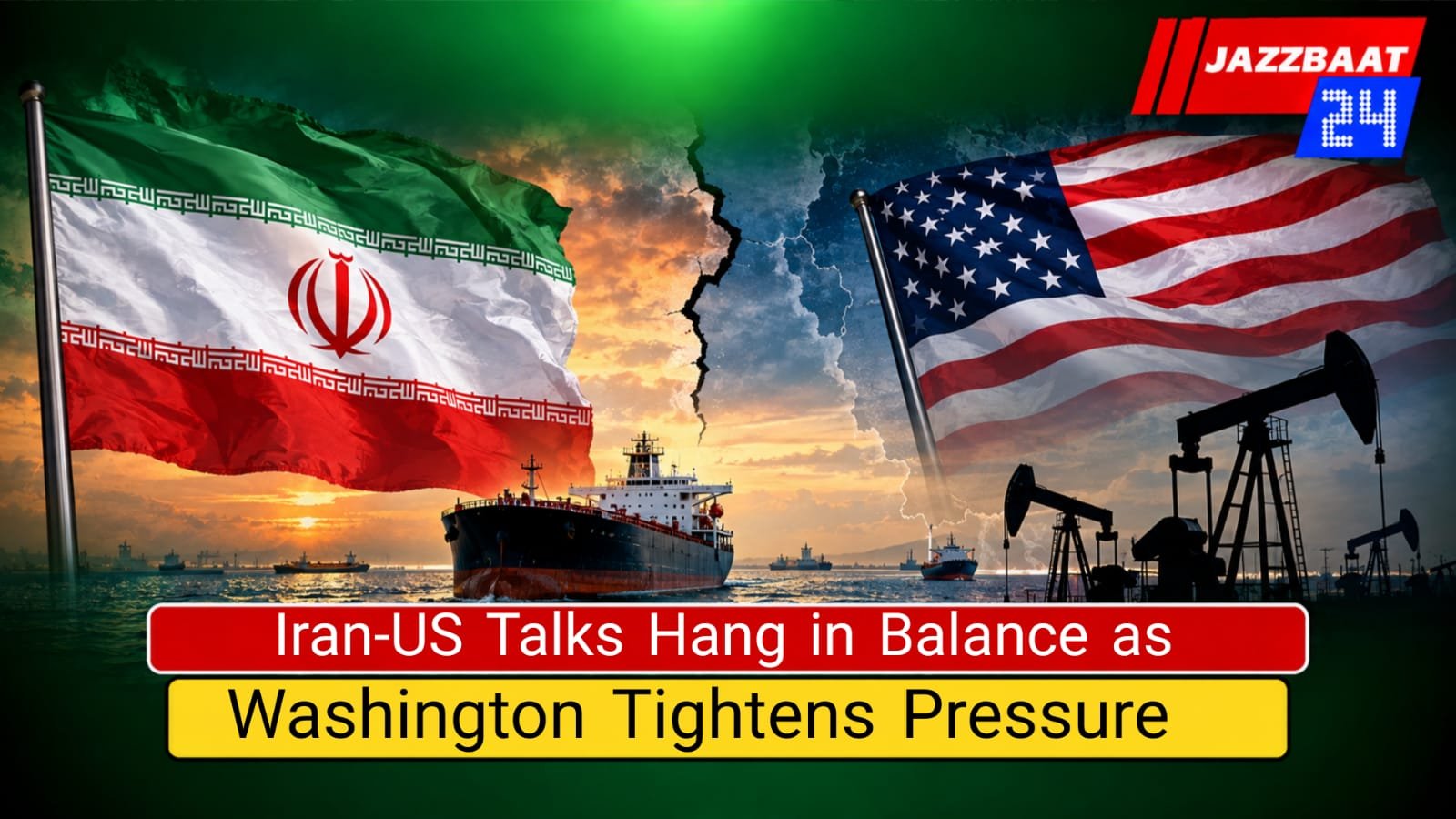
Iran-US peace efforts remain uncertain as conflicting statements from Washington and Tehran cast doubt over the possibility of fresh negotiations.
US Treasury Secretary Scott Bessent has said Iran is coming under increasing economic pressure and could have little left to trade after completing its remaining oil shipments to China. Speaking to Fox News, Bessent claimed that Iran's final shipment of around 15 million barrels was already on its way to China and suggested that Tehran's ability to continue trading could be severely restricted within two weeks.
His comments came as the Trump administration continues its campaign to increase economic pressure on Iran through what Washington has called “Operation Economic Outcast.” Bessent said the objective was to push Tehran towards complying with the terms of any potential future agreement.
According to Bessent, Iran was “feeling the pressure”, which he said had contributed to renewed interest in reaching an agreement with the United States. However, the situation remains uncertain, with Tehran publicly denying that its delegation currently plans to hold direct talks with Washington.
Iran denies plans for talks
Iranian state media reported on Monday that the country's delegation attending the United Nations General Assembly in New York had no plans to negotiate with the United States.
The official IRNA news agency, citing a source close to the Iranian delegation, reported that Iran's position had been conveyed to Washington through a Qatari mediator. The delegation was expected to return to Iran on Tuesday.
The development came despite US President Donald Trump saying that he expected negotiations with Tehran to continue.
Indirect diplomatic contacts could nevertheless remain possible. According to Axios, Qatar could mediate discussions as early as Monday following talks last week involving US envoys Steve Witkoff and Jared Kushner and Iranian Foreign Minister Abbas Araghchi.
Strait of Hormuz remains central issue
The Strait of Hormuz remains one of the key issues in the dispute. Iran has proposed reopening the strategically important waterway as part of conditions for ending the conflict.
Bessent, however, said the strait was already effectively open, with oil flows averaging between 15 million and 22 million barrels per day. Before the conflict, he said, around 20 million barrels of oil passed through the waterway each day.
The strait is a crucial route for global energy shipments, and any prolonged disruption could have wider implications for international oil and gas markets.
Iran has reportedly presented seven conditions for ending the conflict and reopening the waterway. These include a seven-day ceasefire across the Middle East, including Lebanon, the unfreezing of Iranian assets, removal of sanctions targeting its oil sector and an end to the US naval blockade.
Conflict continues to complicate diplomacy
The current confrontation followed US-Israeli strikes on Iran in February. Tehran subsequently restricted shipping through the Strait of Hormuz, after which Washington imposed a blockade on Iranian ports.
The latest statements indicate that significant differences remain between the two sides. While Washington says economic pressure could encourage Tehran to reach a deal, Iranian officials have publicly maintained that their delegation is not preparing for negotiations in New York.
With Qatar continuing to be discussed as a possible mediator, the coming days could determine whether indirect diplomatic efforts develop into substantive negotiations or remain stalled.




Reader Comments 0