
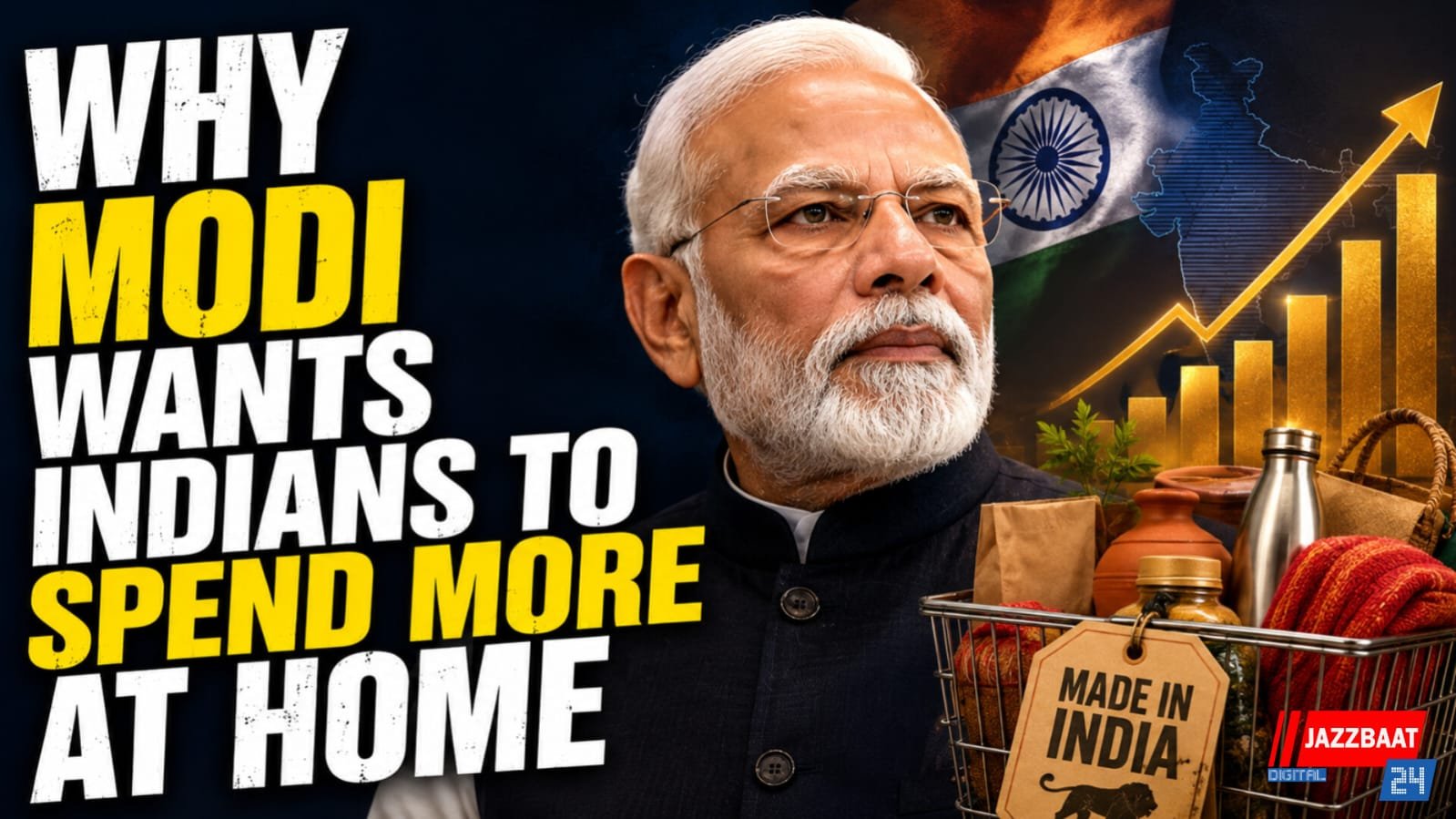
Prime Minister Narendra Modi has once again urged Indians to avoid unnecessary spending abroad, including buying gold, travelling overseas and holding weddings in foreign destinations.
The appeal came as Modi highlighted India's strong economic performance and called for greater focus on “Swadeshi” and self-reliance. He urged citizens to choose Indian destinations for holidays and weddings and to avoid unnecessary purchases of gold.
The main reason behind the appeal is the pressure such spending can put on India's foreign exchange reserves. India imports a large part of the gold consumed domestically. When Indians buy gold, particularly when prices are high, it increases the country's import bill and sends more foreign currency overseas.
Foreign travel also results in significant spending outside India. Money spent on international hotels, restaurants, transport, shopping and tourism services does not directly benefit Indian businesses. Modi's argument is that choosing domestic destinations can keep more money circulating within the Indian economy.
The same logic applies to overseas weddings. Indian families increasingly spend large amounts on destination weddings in countries such as Thailand, the UAE and other popular locations. The Prime Minister has encouraged people to consider Indian cities and tourist destinations instead.
Modi has made similar appeals before. During the West Asia crisis, he asked citizens to reduce unnecessary foreign travel, conserve fuel and postpone gold purchases for a year, arguing that such steps could help protect India's foreign exchange position during a period of global uncertainty.
The latest message comes despite India's economy continuing to grow strongly. India recorded 7.8% GDP growth in the April-June quarter of 2026-27, according to government data. Modi said the performance showed the resilience of the Indian economy despite global conflicts, uncertainty and supply-chain disruptions.
The Prime Minister's message is therefore less about stopping Indians from travelling abroad or buying gold altogether and more about encouraging people to distinguish between essential and discretionary spending.
At the heart of the appeal is a simple economic idea: if Indians spend more on Indian products, Indian tourism and Indian services, more of that money stays within the country. That could support domestic businesses, create jobs and reduce pressure from avoidable imports and foreign-exchange outflows.


Reader Comments 0