
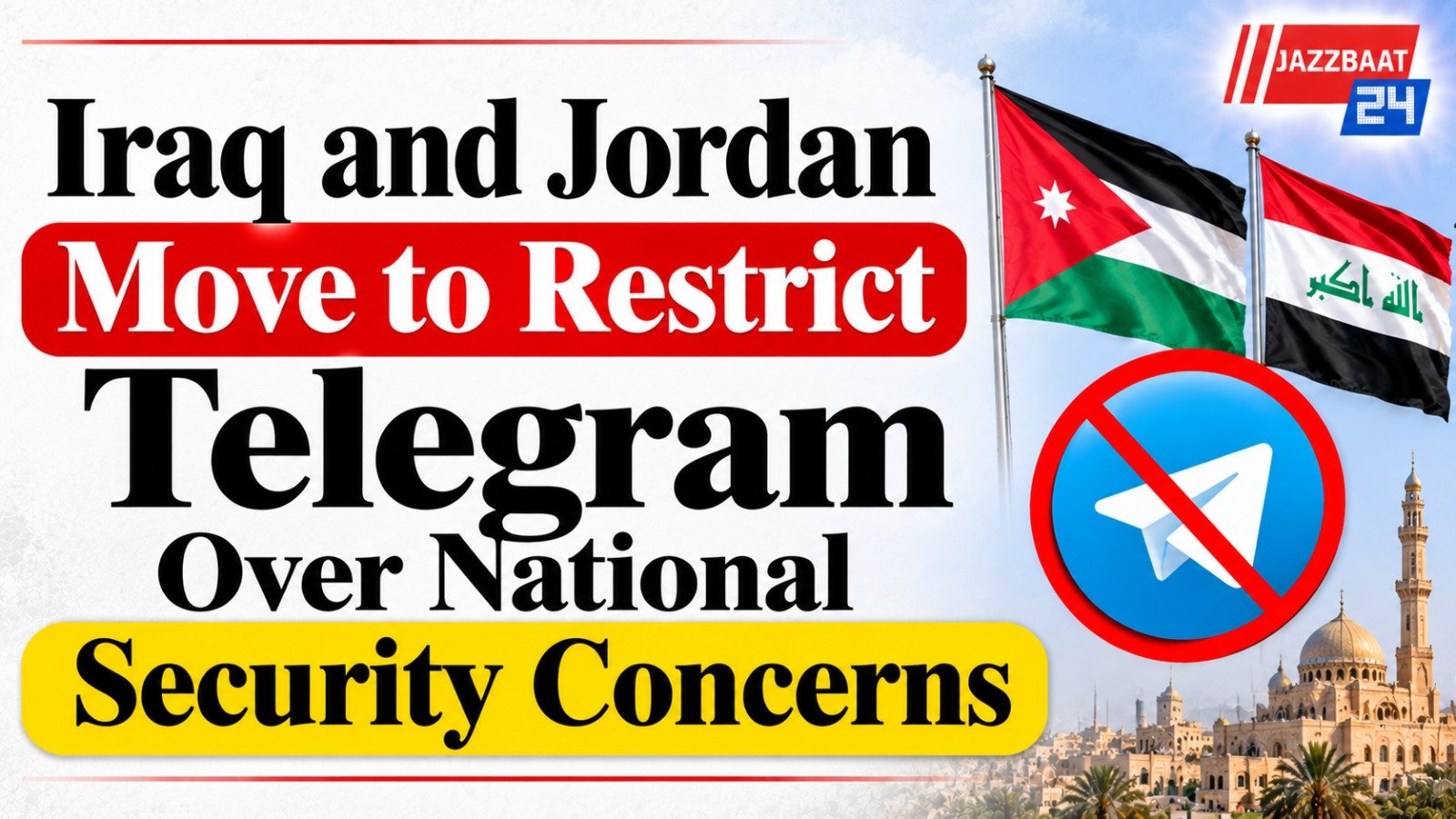
A fresh wave of restrictions on the popular messaging platform Telegram has brought digital freedom and national security back into focus in the Middle East. Iraq and Jordan have both taken action against the app, citing concerns over national security, illegal online activities and the spread of extremist content.
Jordan announced a nationwide block on Telegram on November 16, 2026. The country's Public Security Directorate said the decision was part of efforts to strengthen digital security, protect users and prevent the misuse of online platforms.
According to the authorities, Telegram and other digital platforms can be misused for cybercrime, threats, blackmail and the circulation of illegal material. Officials also expressed concern about attempts to promote radicalisation and extremism, which they believe could threaten public safety and national interests.
The decision comes amid heightened security concerns in Jordan following a deadly attack on a Greek Orthodox church in the southern Karak region on October 23. The attack claimed nine lives and left several others injured. On November 15, three men were sentenced to death in connection with the incident.
The Jordanian authorities have also urged citizens to remain cautious while using messaging and social media applications. Users have been advised to avoid suspicious accounts and unfamiliar links and report unlawful online activities through official channels.
Meanwhile, Iraq's Communications and Media Commission announced a fresh nationwide blocking order against Telegram on November 16, following a directive from the country's prime minister. The regulator accused the platform's operator of failing to meet legal and regulatory requirements and take sufficient action against unlawful content.
The Iraqi regulator cited concerns involving extremist messaging, incitement to violence, hatred, cybercrime and content that could threaten national security. It said Telegram had not adequately cooperated with authorities or fulfilled its legal obligations.
However, the Iraqi commission has given Telegram's operator 30 days to regularise its legal status and comply with national regulations. It has not publicly identified specific Telegram channels, users or posts that triggered the latest action. Authorities have also not clarified whether the blocking order has already been fully implemented across the country.
The latest development is particularly significant because Iraq had previously suspended Telegram in April 2026 before announcing the restoration of services in May, following commitments from the platform to meet regulatory conditions. The fresh November order indicates that concerns over compliance remain unresolved.
Telegram, founded by Pavel Durov in 2013, is widely used for private messaging, public channels, news updates and community discussions. Its large user base and relatively open channel system have made it an important communication platform across the Middle East.
The simultaneous moves by Iraq and Jordan highlight growing tensions between governments and global technology platforms over online content, user safety and national security.
While authorities argue that stronger regulation is necessary to prevent extremist activities and cybercrime, restrictions on widely used messaging services also raise questions about digital freedom, privacy and access to information.
Neither country has announced a clear timeline for restoring unrestricted access to Telegram. The platform's response to the latest decisions will be closely watched as the dispute over digital regulation continues.



Reader Comments 0