
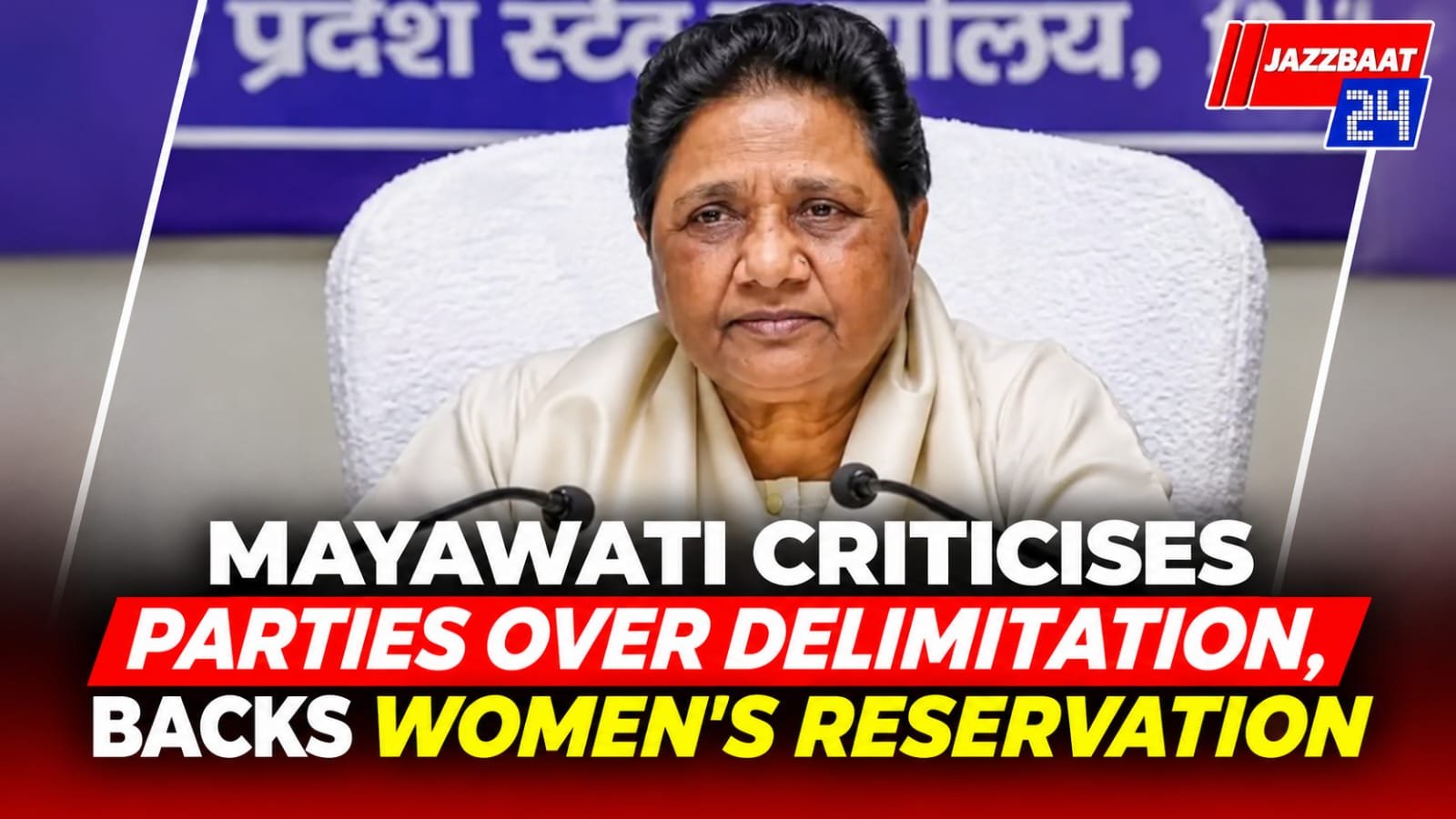
NEW DELHI, November 28: Bahujan Samaj Party (BSP) president Mayawati has welcomed the Centre's move to implement 33 per cent reservation for women in the Lok Sabha and state legislative assemblies, while calling for a separate quota for women belonging to Scheduled Castes (SC) and Scheduled Tribes (ST).
In a series of posts on social media platform X on Saturday, Mayawati reiterated that the BSP had consistently supported women's reservation and demanded its early implementation. However, she argued that providing a separate share for SC/ST women within the proposed 33 per cent quota would have made the legislation a historic step towards inclusive political representation.
According to Mayawati, women from marginalised communities have faced centuries of exploitation, oppression and neglect. A separate provision, she said, would help them secure greater opportunities to participate in the country's electoral politics.
The BSP chief also criticised political parties over the proposed delimitation exercise, alleging that political and electoral considerations were influencing the process. Without naming any particular party, she said governments at the Centre often prioritise their own political interests over the interests of the country and its people.
Mayawati's remarks come amid a political debate over the Centre's proposed legislation to increase the existing strength of the Lok Sabha and state legislative assemblies by 50 per cent. The proposals also seek to link the implementation of women's reservation with a fresh delimitation exercise.
Under the proposed framework, the maximum strength of the Lok Sabha could increase to 850 seats, while state legislative assemblies could have up to 650 members.
She also urged voters not to be influenced by religious, caste-based or regional considerations while choosing their representatives. Instead, she called upon people to elect capable leaders who would work in the larger interests of the country and protect democratic and constitutional values.
The BSP chief maintained that women's political empowerment must go beyond numerical representation and ensure adequate opportunities for historically marginalised communities.
Her statement comes at a time when the proposed delimitation exercise and the implementation of women's reservation have emerged as major political issues ahead of the next general election.



Reader Comments 0