
Rituparna Sengupta: Food has always been more than just something we eat to satisfy hunger. Across generations, ingredients found in kitchens, gardens and local markets have also been valued for their potential healing properties. Before modern medicines became widely accessible, people often turned to spices, herbs, roots and natural ingredients to manage everyday discomforts, soothe ailments and support well-being. What went into the cooking pot sometimes also found its way into traditional remedies.
From turmeric in Indian households to honey used in ancient wound-care preparations, several familiar foods have a rich history rooted in medicinal traditions. Garlic, ginger, cinnamon and fenugreek, among others, were valued across cultures for their perceived health benefits and were incorporated into different systems of traditional medicine. While some of these ingredients have since been studied for their bioactive compounds, their historical use reflects the close relationship between food, culture and healing.
Modern research continues to investigate the properties of these ingredients, although traditional remedies should not be viewed as replacements for medical treatment. Here are eight everyday foods that were once used as medicine and have fascinating stories behind their culinary and medicinal legacy.
Garlic
Garlic has been valued for both its culinary flavour and traditional medicinal uses for centuries. Ancient Egyptians reportedly used garlic for various health-related purposes, while other cultures incorporated it into remedies for infections and common ailments.
Its medicinal interest largely stems from allicin, a compound that forms when garlic is crushed or chopped. Laboratory studies have explored allicin's antimicrobial properties, including its activity against certain bacteria and fungi. Garlic has also been investigated for its potential role in cardiovascular health, particularly in relation to blood pressure and cholesterol levels.
Although garlic continues to attract scientific interest, it should not be used to treat infections or replace prescribed medicines. Its history nevertheless highlights how a staple cooking ingredient has long been associated with health and wellness.
Honey
Honey has been used in traditional remedies for thousands of years, particularly in wound care. Ancient Egyptians are known to have incorporated honey into preparations for treating wounds, recognising its usefulness long before modern antiseptics and wound dressings existed.
Honey's properties have since been examined through scientific research. Its acidity, high sugar concentration and certain naturally occurring compounds contribute to antimicrobial activity. Medical-grade honey is used in some specialised wound dressings to help manage wounds and maintain a moist healing environment.
However, medical-grade honey is processed and tested for clinical use, unlike ordinary honey sold for consumption. Kitchen honey should not be applied to serious wounds without appropriate medical guidance.
Ginger
Ginger has been a familiar ingredient in traditional remedies, particularly for nausea, digestive discomfort and stomach complaints. Across Asian cultures, ginger tea and ginger-based preparations have long been used as household remedies.
The root contains bioactive compounds such as gingerols and shogaols, which contribute to its pungent flavour and biological activity. Modern research has explored ginger's potential role in easing certain types of nausea, including pregnancy-related nausea and nausea associated with some medical treatments.
While ginger may help with specific forms of nausea, its effectiveness depends on the condition and individual circumstances. Concentrated supplements may also interact with certain medications, making medical advice important in some cases.
Turmeric
Turmeric has been an integral part of Indian kitchens and traditional medicinal practices for generations. Its vibrant colour, earthy flavour and traditional uses have made it one of the most recognisable spices associated with Indian wellness traditions.
Curcumin, one of turmeric's principal bioactive compounds, has attracted scientific attention for its anti-inflammatory and antioxidant properties. Research has explored its potential role in inflammatory conditions, joint discomfort and other health concerns, although evidence remains varied.
Traditionally, turmeric was also incorporated into preparations for skin concerns and minor wounds. However, the effects of turmeric in everyday cooking should not be equated with those of concentrated curcumin supplements, which may have side effects or interact with medications.
Willow Bark
Willow bark has long been used in traditional remedies for pain, fever and inflammation. Its medicinal history is particularly notable because it is linked to the development of aspirin.
Willow bark contains salicin, a natural compound that the body can convert into salicylic acid. Historical investigations into salicin and related plant compounds contributed to the development of aspirin, although modern aspirin is manufactured through a different process.
Willow bark is not suitable for everyone and may cause side effects or interact with medicines, including blood thinners. People with aspirin allergies and certain medical conditions should avoid using it without medical advice.
Peppermint
Peppermint has traditionally been used to address digestive discomfort, stomach complaints and nausea. Its refreshing aroma and cooling properties have made it a popular ingredient in herbal teas and household remedies.
Peppermint contains menthol, which contributes to its cooling sensation and may help relax certain muscles. Research has particularly examined peppermint oil for irritable bowel syndrome (IBS), with some evidence suggesting that enteric-coated peppermint oil capsules may help relieve symptoms such as abdominal discomfort and bloating in certain people.
Peppermint tea is commonly enjoyed as a soothing beverage, but concentrated peppermint oil has different effects and may aggravate heartburn or acid reflux in some individuals.
Cinnamon
Cinnamon has been prized for its aroma, flavour and traditional medicinal associations across cultures. Historically, it was used in preparations for digestive complaints, respiratory discomfort and other ailments.
The spice contains plant compounds, including cinnamaldehyde, which contributes to its distinctive fragrance and flavour. Modern studies have explored cinnamon's potential effects on blood sugar regulation, inflammation and metabolic health. Although some research has reported promising results, the evidence remains insufficient to establish cinnamon as a treatment for diabetes or other medical conditions.
Cinnamon remains a popular addition to food and beverages, but excessive consumption of certain varieties, particularly cassia cinnamon, may expose the body to higher levels of coumarin, which can affect the liver.
Fenugreek
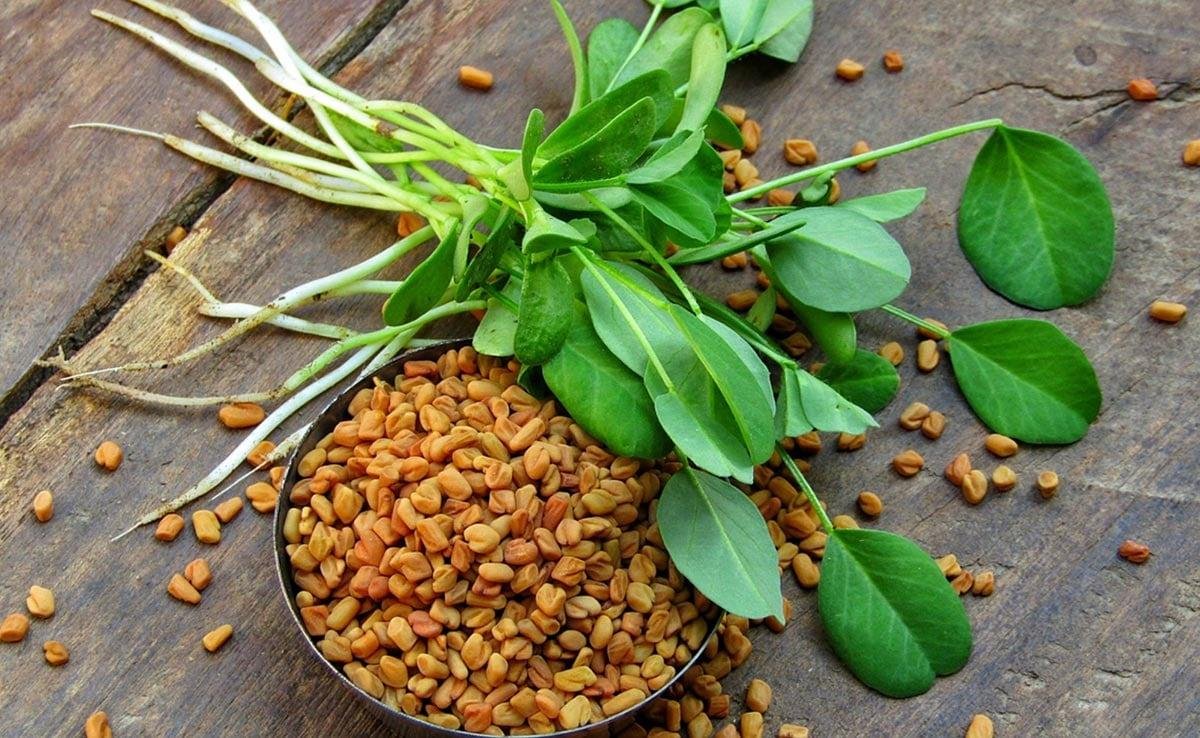
Fenugreek, commonly known as methi in India, has been used in traditional Indian and Middle Eastern practices for generations. Its leaves are used in everyday cooking, while the seeds have historically been incorporated into remedies for digestive complaints and other health concerns.
Fenugreek seeds contain fibre and plant compounds that have been studied for their potential influence on blood sugar regulation, cholesterol levels and metabolic health. Their fibre content may also contribute to digestive function.
Although research has explored potential benefits, fenugreek should not be considered a treatment for diabetes or other medical conditions. Concentrated supplements may interact with medications and cause side effects, so people managing health conditions should seek medical advice before using them.




Reader Comments 0